
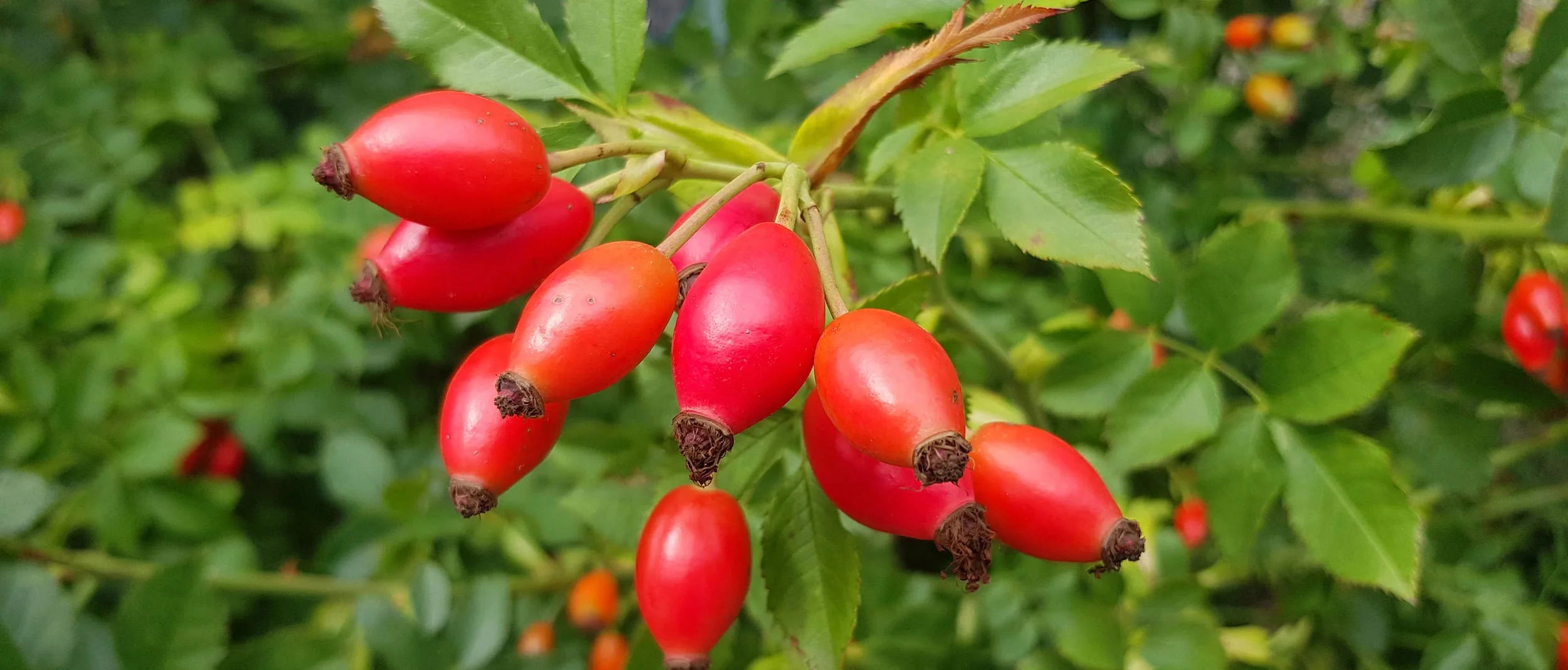
Rosehips ‘Rosa spp’
Rose hips are the nutrient-rich fruits of wild roses, traditionally gathered for winter nourishment. Firm, resilient and sustaining, they reflect preparation, endurance and long attention.
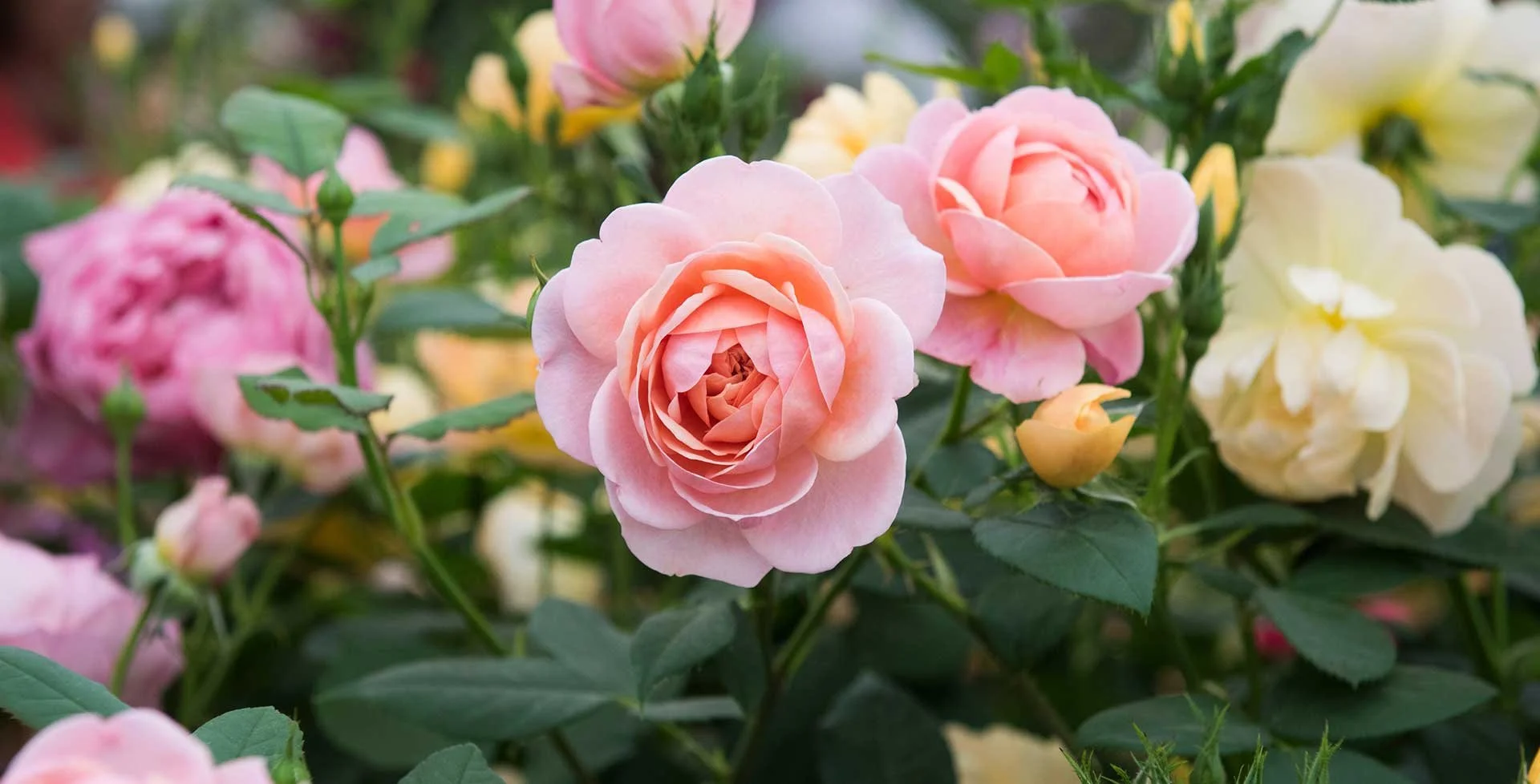
Rose Petals ‘Rosa spp’
Rose petals are delicately fragrant flowers traditionally used for emotional balance, gentle teas and sensory nourishment. Fleeting and soft, they reflect care through presence rather than intensity.
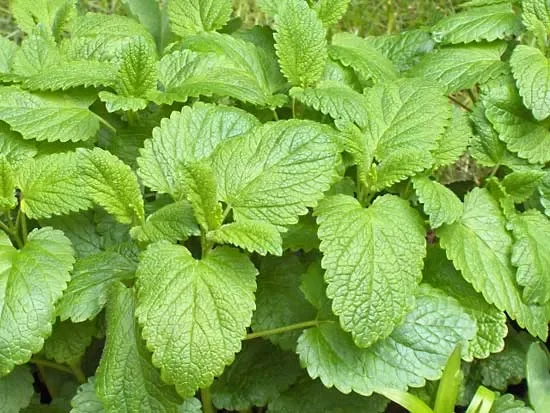
Lemon Balm ‘Melissa officinalis’
Lemon balm is a softly aromatic herb traditionally used to support calm, mood and gentle rest. Bright and reassuring, it reflects long-term, everyday care of the nervous system.
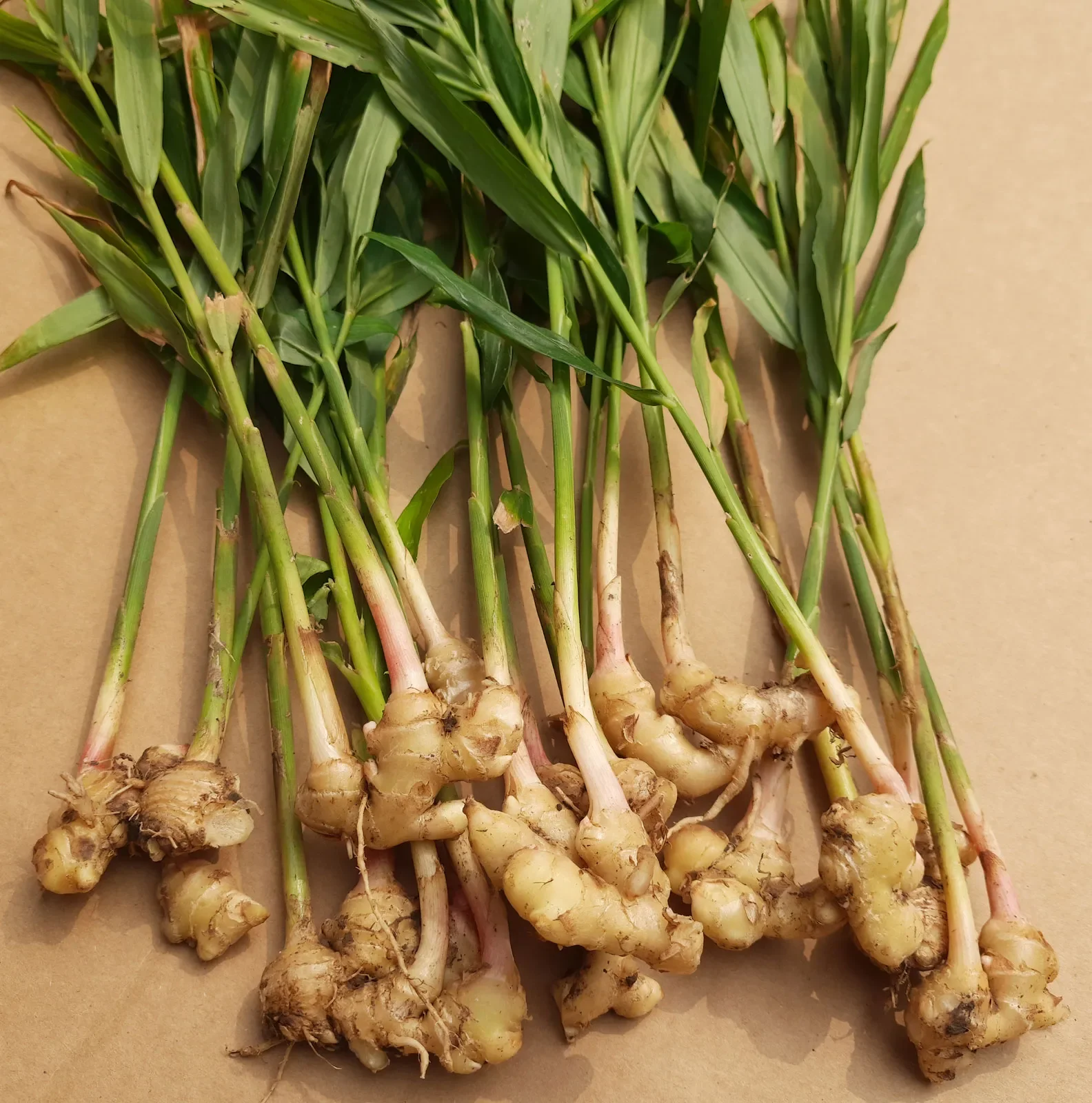
Ginger ‘Zingiber officinale’
Ginger is a warming, aromatic rhizome traditionally used to stimulate digestion, movement and vitality. Potent and immediate, it reflects deliberate use shaped by season and sensation.
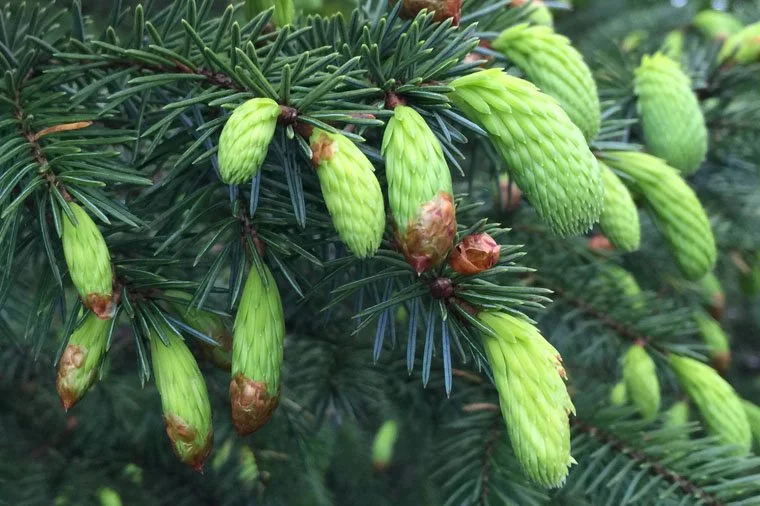
Spruce Tips ‘Picea spp’
Spruce tips are the fresh spring growth of spruce trees, traditionally used as food, tea and syrup. Bright, citrusy and nutrient-rich, they reflect renewal and seasonal nourishment.
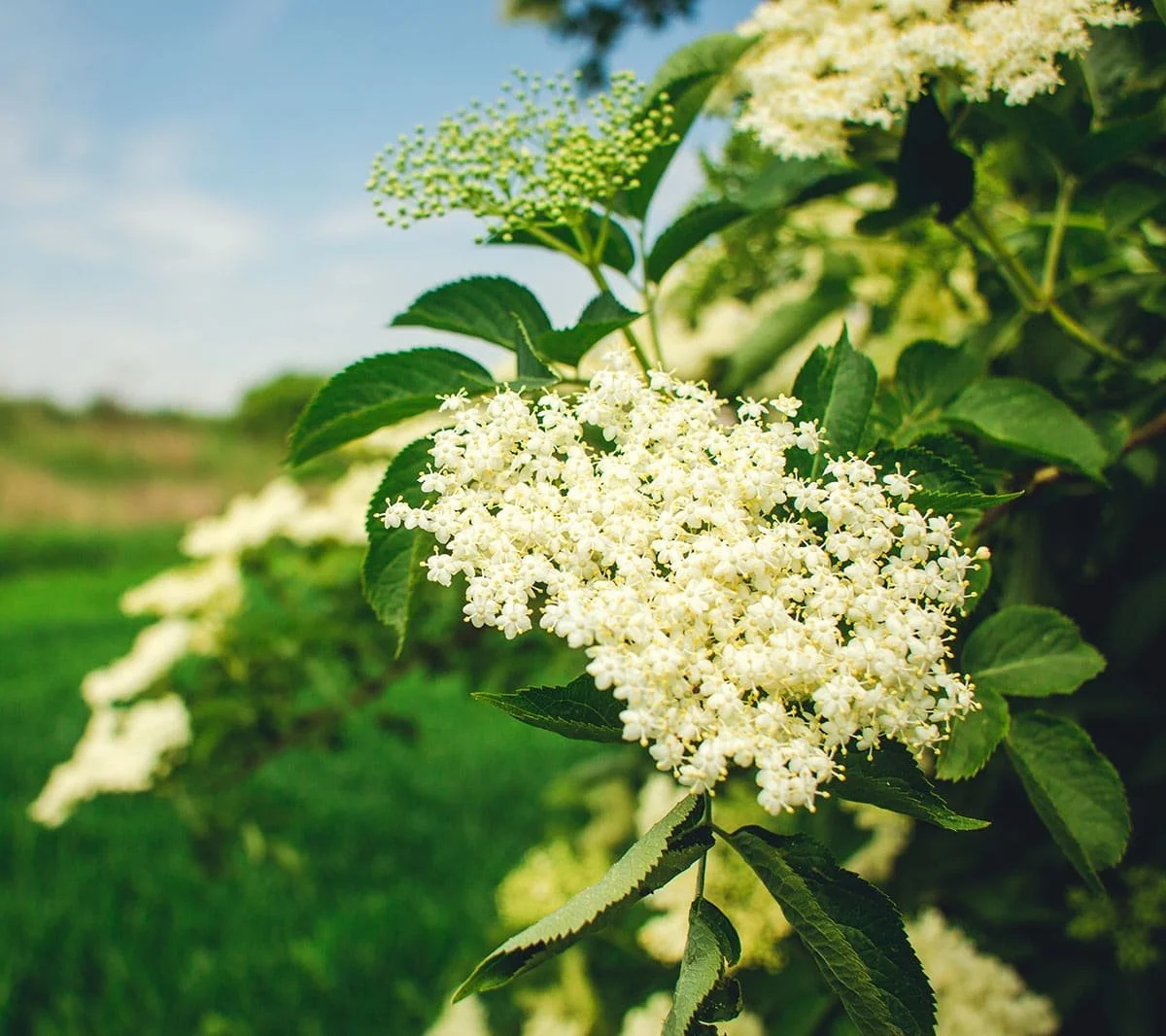
Elderflower ‘Sambucus nigra’
Elderflower is a fragrant, seasonal blossom traditionally used in teas, cordials and gentle herbal preparations. Fleeting and aromatic, it reflects renewal, transition and careful harvesting.
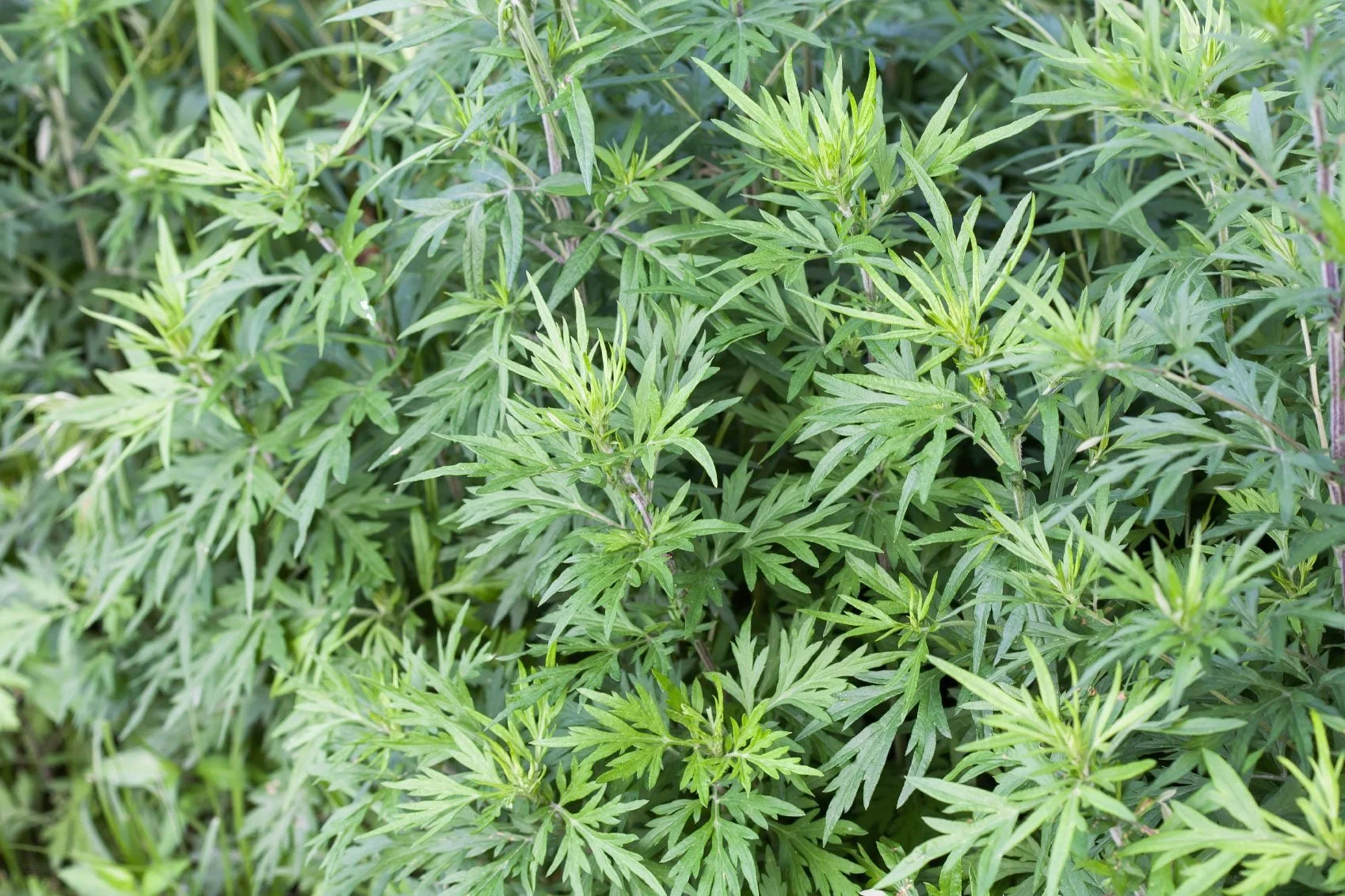
Mugwort ‘Artemisia vulgaris’
Mugwort is a tall, aromatic herb traditionally associated with boundaries, digestion and ritual use. Bitter and potent, it reflects deliberate, context-driven plant relationship.
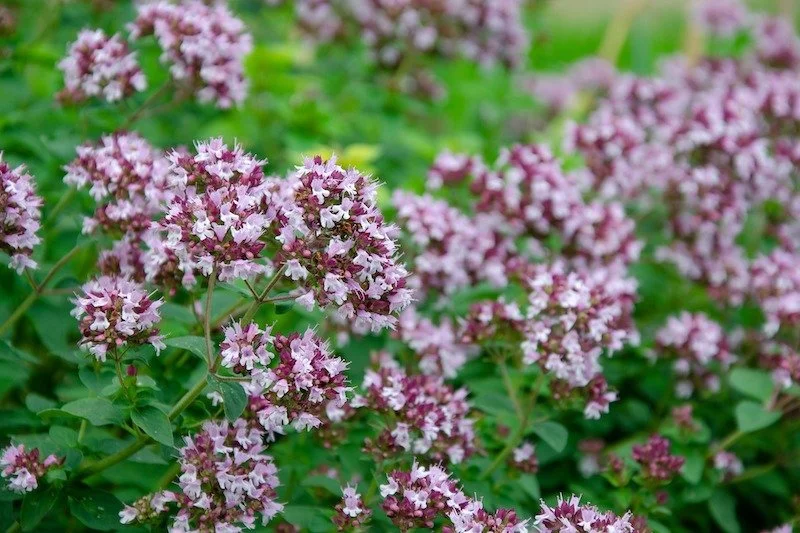
Oregano ‘Origanum vulgare’
Oregano is a warm, aromatic herb traditionally used as food and household support. Valued for flavour, preservation and everyday vitality, it bridges kitchen use and modern research.
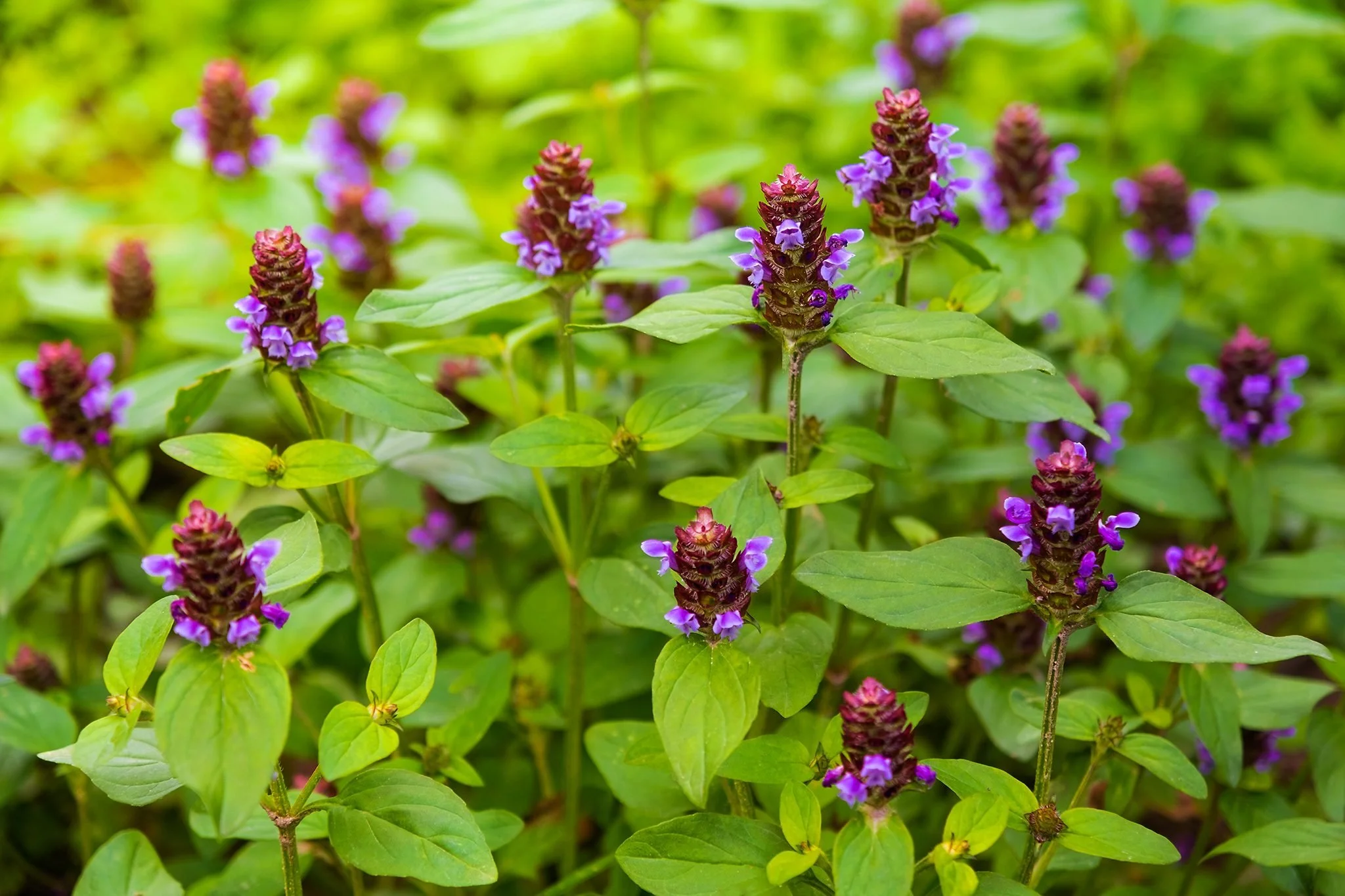
Self-heal ‘Prunella vulgaris’
Self-heal is a low-growing meadow plant traditionally valued for broad, everyday support. Known for its resilience and versatility, it reflects healing through consistency rather than intensity.
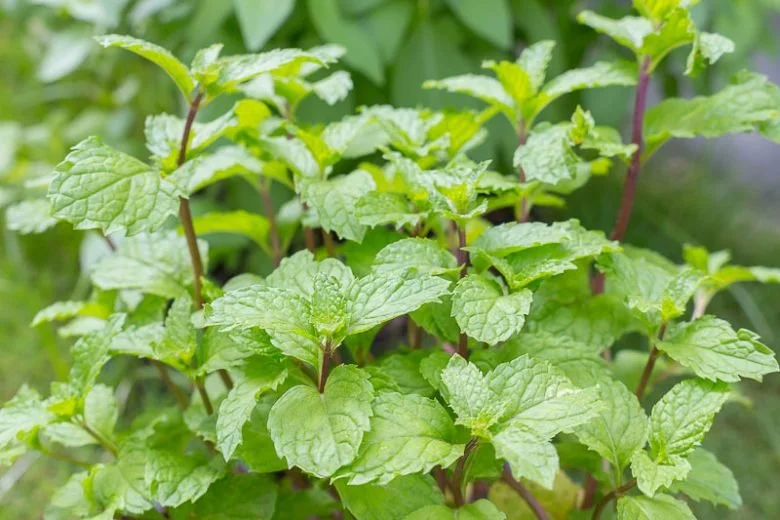
Peppermint ‘Mentha × piperita’
Peppermint is a strongly aromatic herb traditionally used for digestion, clarity and refreshment. Widely studied and easily recognised, it bridges household use and modern research.
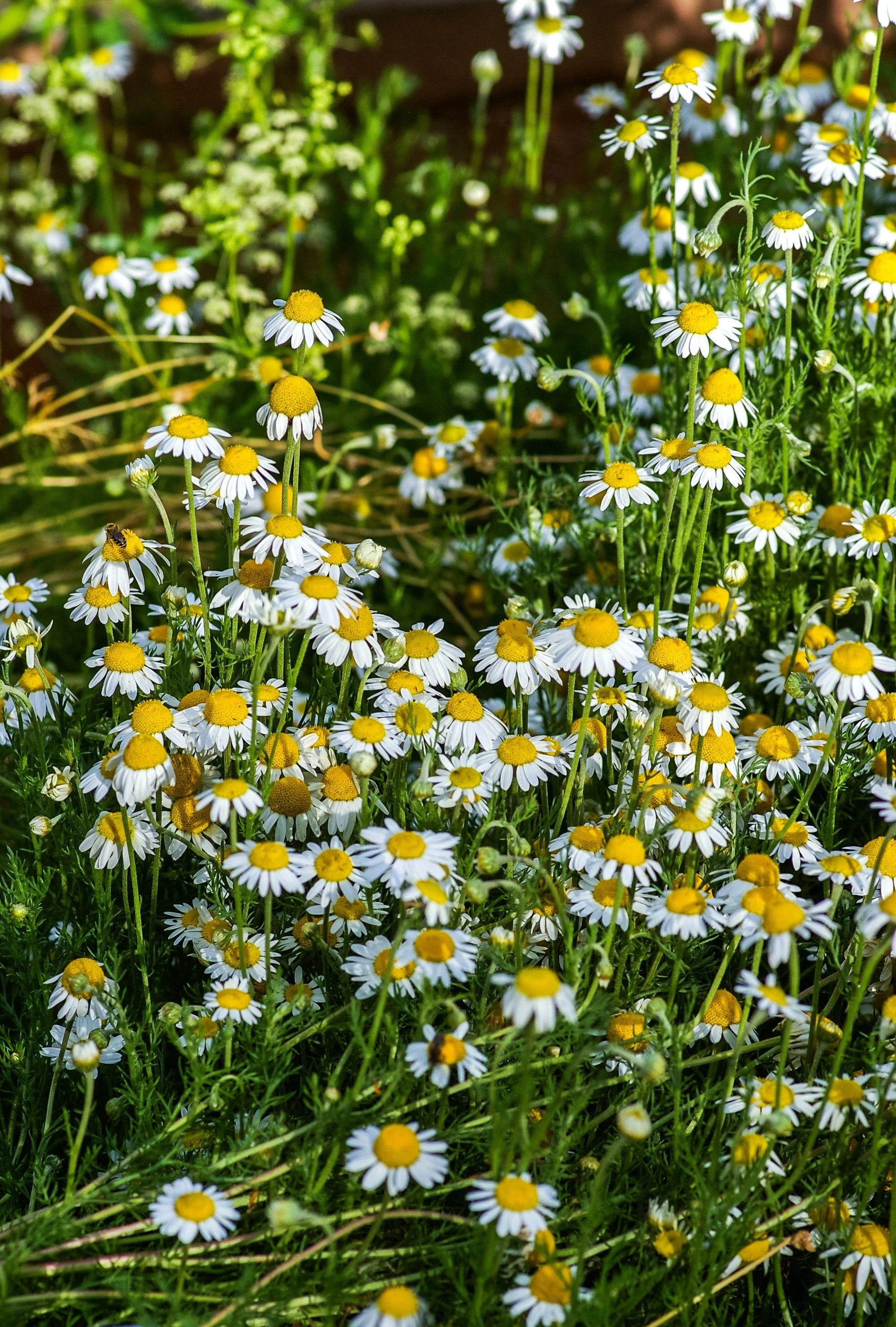
Chamomile ‘Matricaria chamomilla’
Chamomile is a gentle, aromatic herb traditionally used as a calming tea and soothing skin plant. Widely trusted across cultures, it reflects care, consistency and everyday use.
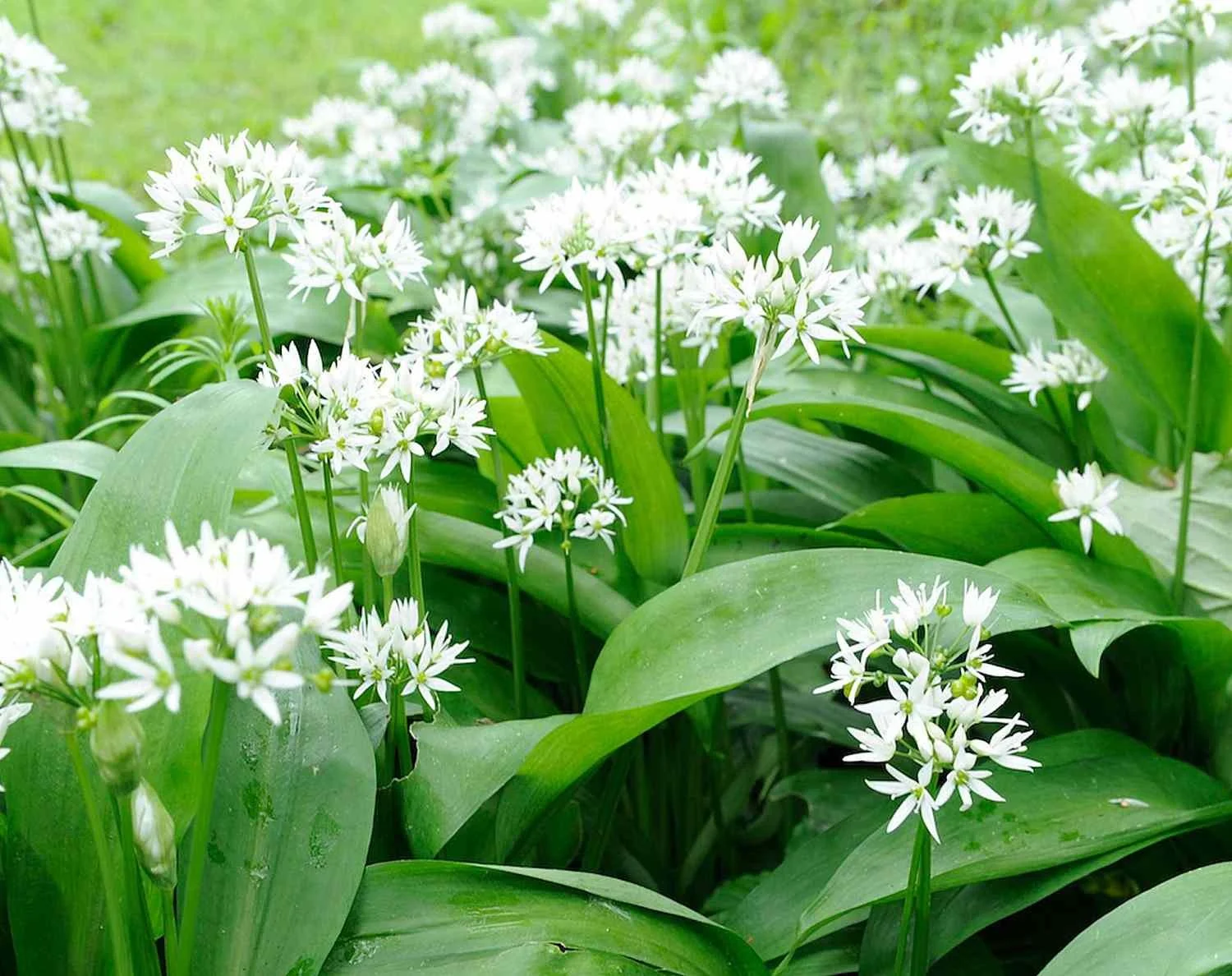
Wild Garlic ‘Allium ursinum’
Wild garlic is a strongly aromatic spring plant traditionally gathered as one of the first fresh foods of the year. Valued for flavour, nutrition and seasonal renewal, it reflects food-first use grounded in abundance and care.
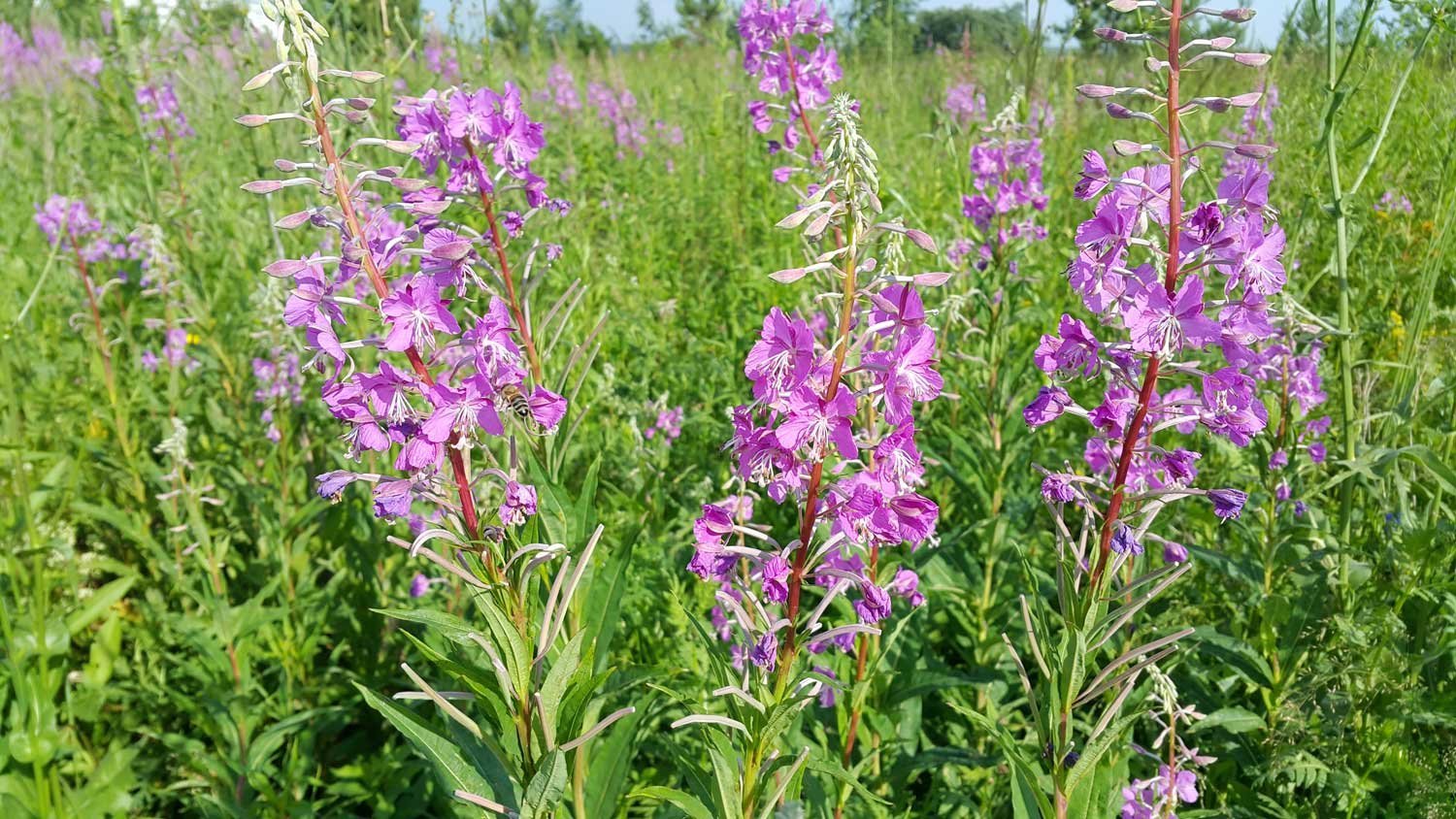
Fireweed Rosebay Willowherb ‘Chamerion angustifolium’
Fireweed is a tall, pink-flowered plant known for colonising disturbed ground. Traditionally used as a tea plant - including fermented Ivan Chai - it reflects renewal, abundance and careful seasonal use.
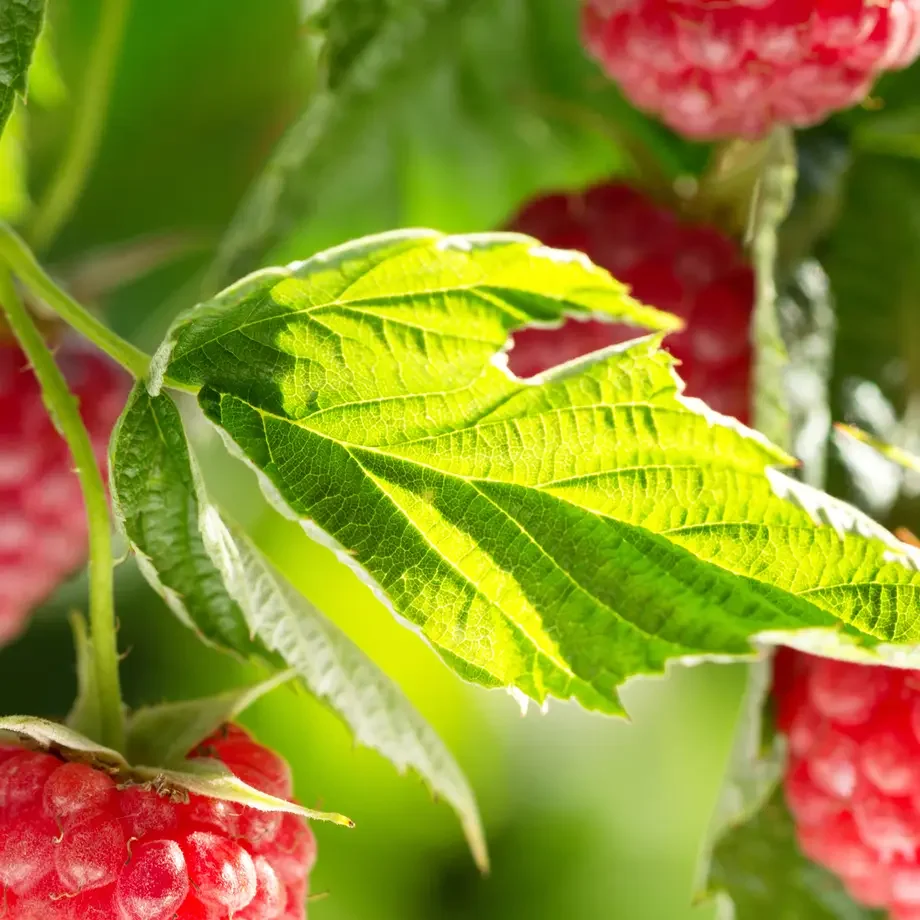
Raspberry Leaf ‘Rubus idaeus’
Raspberry leaf is a familiar hedgerow plant traditionally used as a gentle, nourishing tea. Valued for long-term, everyday use, it reflects a steady relationship shaped by cycles, consistency and care.
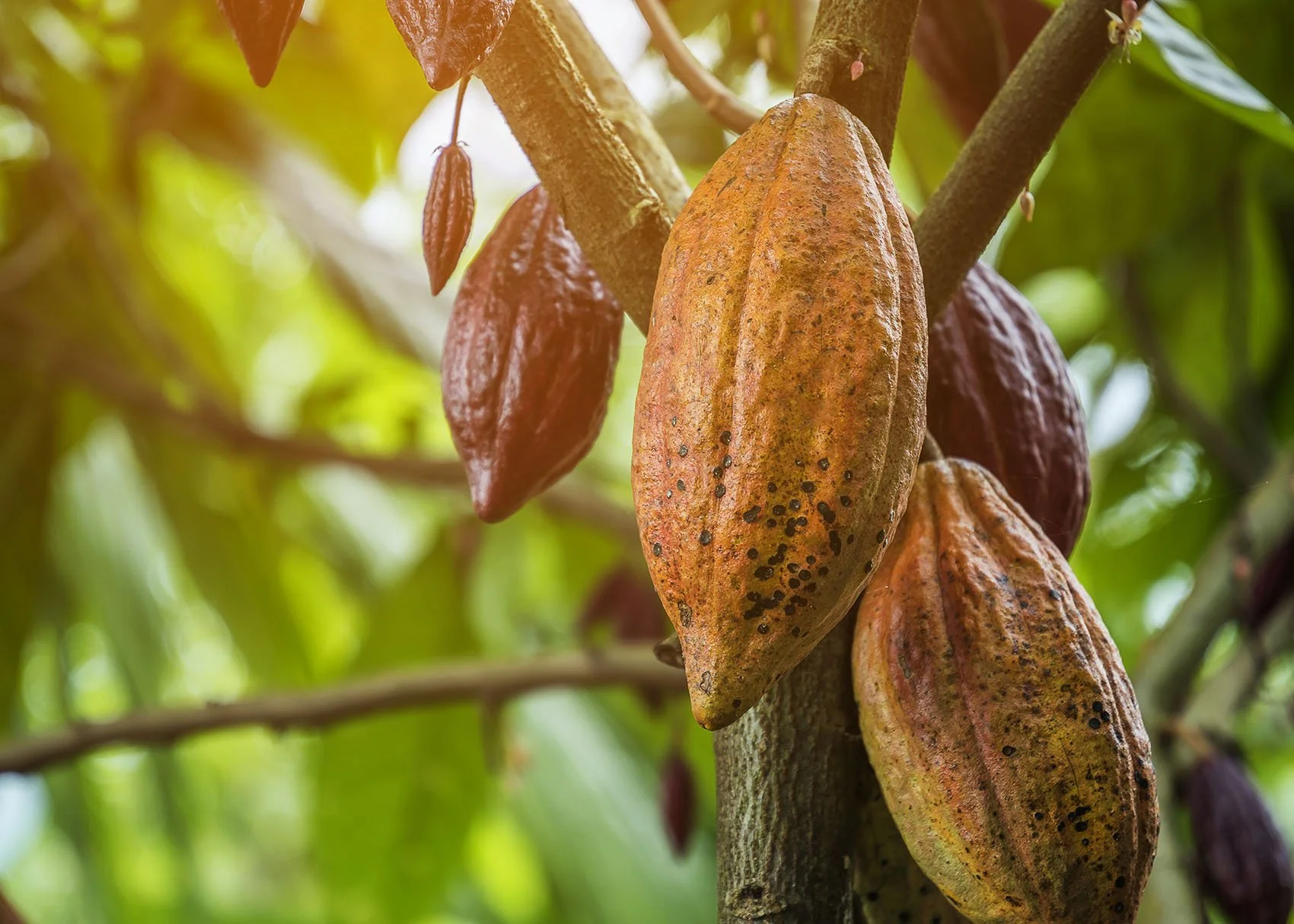
Cacao ‘Theobroma cacao’
Raw cacao is a minimally processed form of the cacao bean, traditionally used as a bitter ceremonial drink. Valued for its mineral content, flavanols and cultural significance, it bridges ritual, nourishment and modern research.
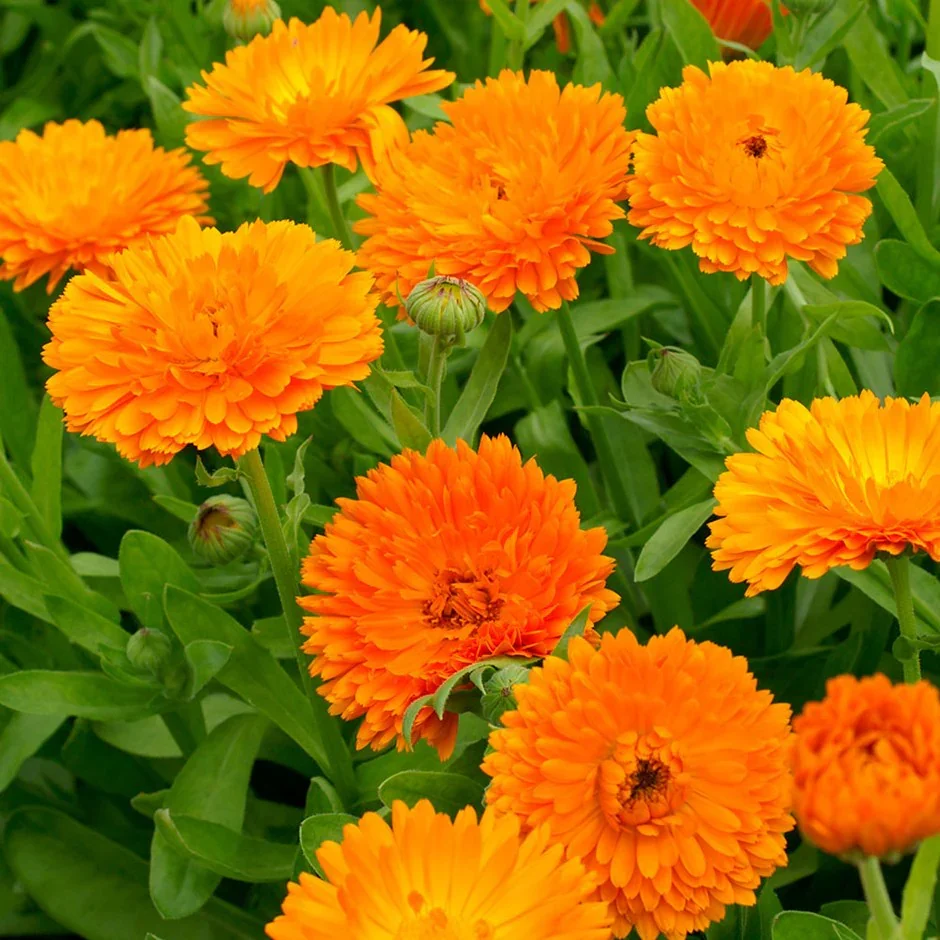
Calendula ‘Calendula officinalis’
Calendula is a bright, familiar garden flower long valued for gentle, practical skin use. Traditionally prepared as oils, balms and washes, it reflects a relationship built on consistency, accessibility and care.
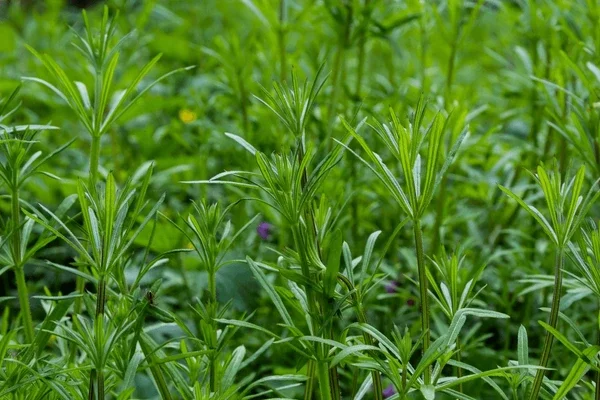
Cleavers ‘Galium aparine’
Cleavers is a fast-growing, sticky spring plant traditionally used fresh as part of seasonal routines. Known for its clingy texture and gentle character, it reflects a relationship shaped by timing, simplicity and everyday use.
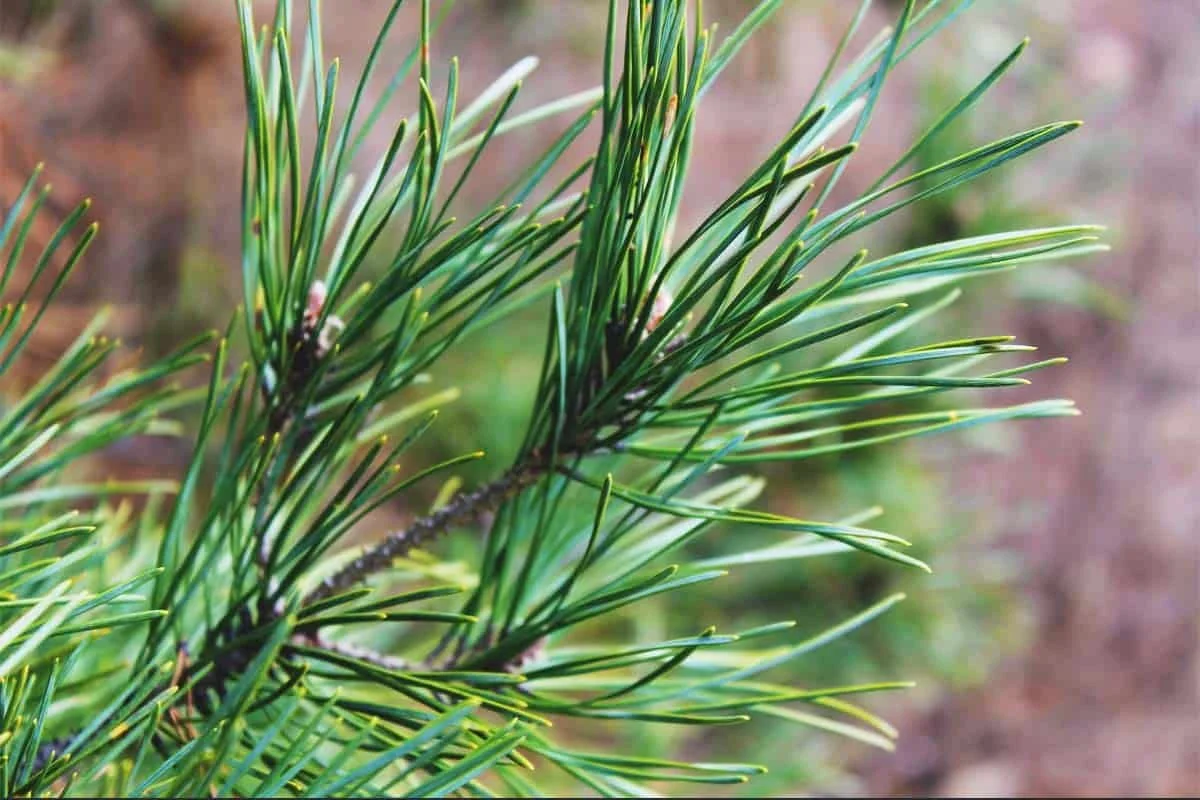
Pine Needles ‘Pinus spp’
Pine needles are one of the most familiar and accessible forest materials, present year-round and especially valued in winter. Traditionally used as teas and steams, they offered both nourishment and comfort when fresh plants were scarce. Rich in aromatic compounds, vitamins and minerals, pine needles continue to bridge everyday seasonal practice and modern understanding.
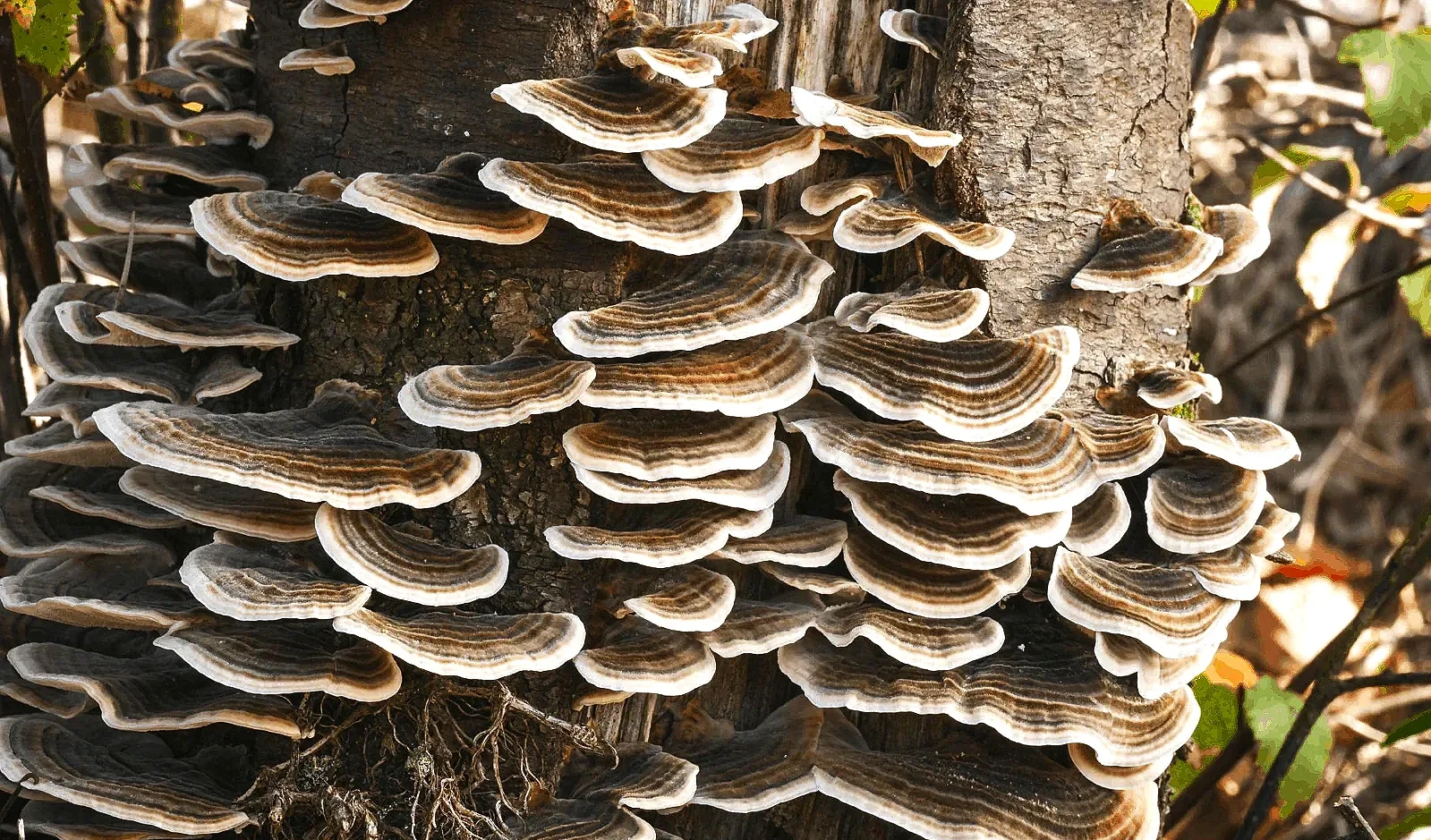
Turkey Tail ‘Trametes versicolor’
Layered, resilient and widespread, Turkey Tail is a familiar woodland fungus with deep roots in traditional practice. Here we explore its growth, use and evolving research context.