
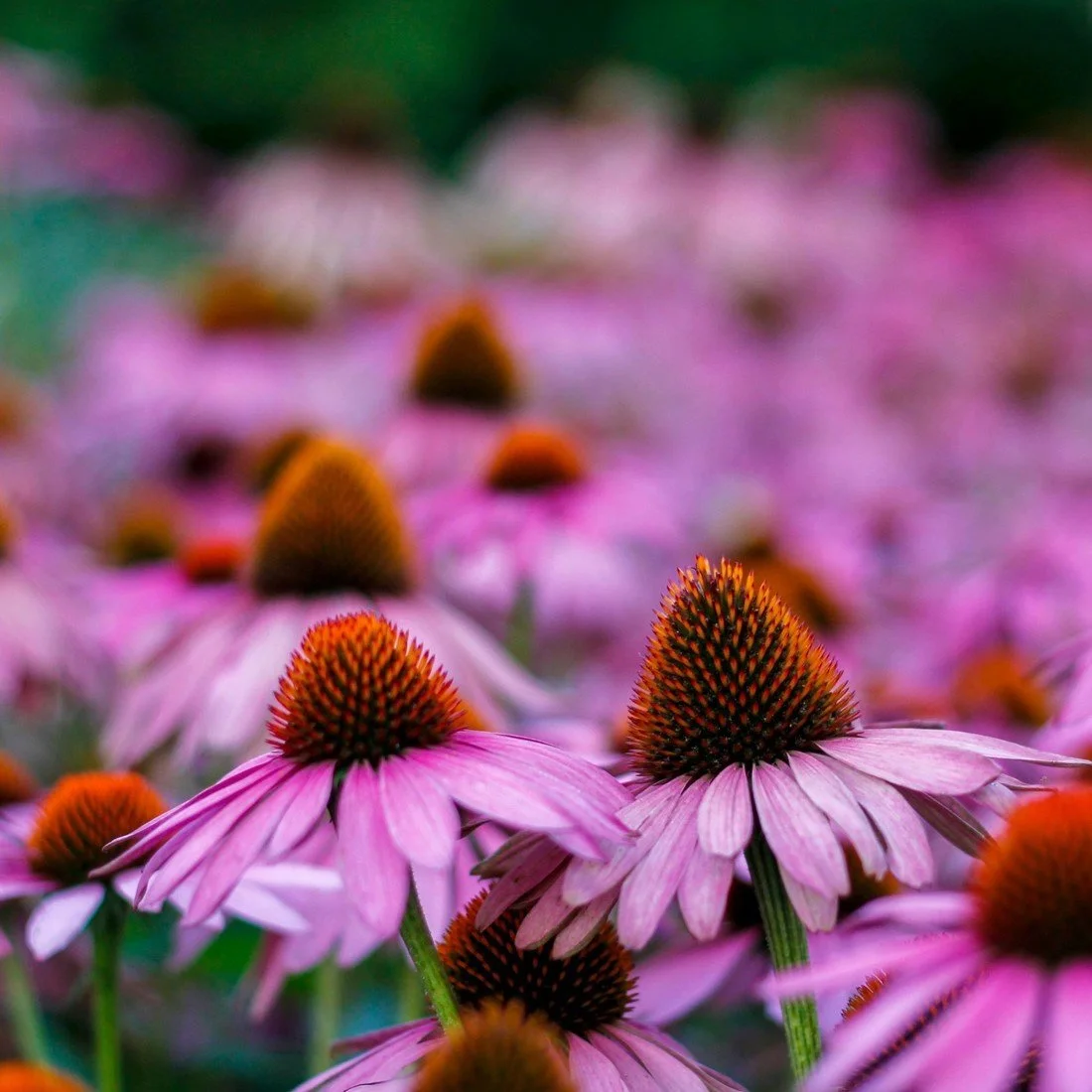
Purple Coneflower ‘Echinacea purpurea’
Echinacea is a plant of readiness rather than routine. Traditionally used at moments of challenge rather than as a daily tonic, this entry explores echinacea’s bold character, its Indigenous roots, modern immune research, and why timing matters as much as preparation when working with this widely known herb.
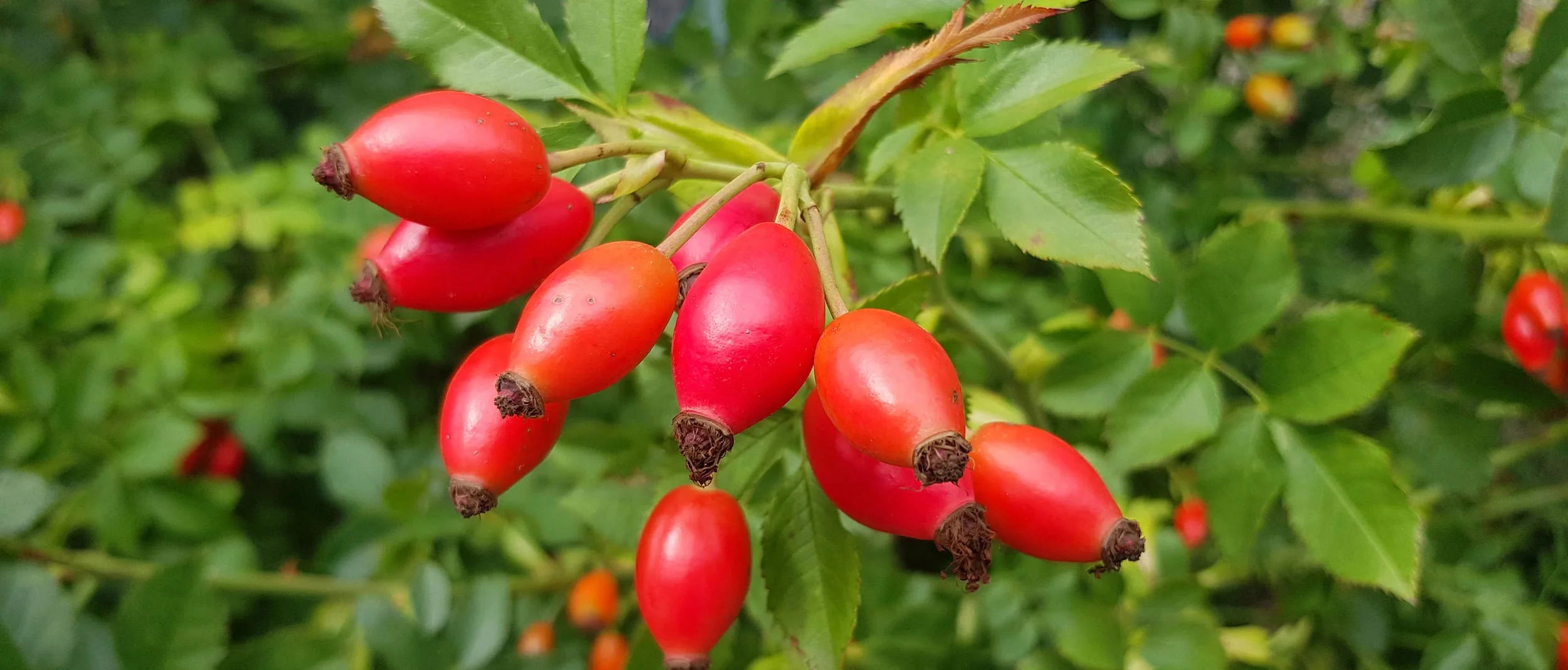
Rosehips ‘Rosa spp’
Rose hips are the nutrient-rich fruits of wild roses, traditionally gathered for winter nourishment. Firm, resilient and sustaining, they reflect preparation, endurance and long attention.
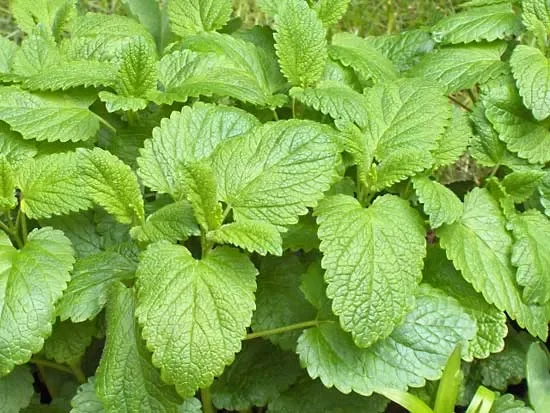
Lemon Balm ‘Melissa officinalis’
Lemon balm is a softly aromatic herb traditionally used to support calm, mood and gentle rest. Bright and reassuring, it reflects long-term, everyday care of the nervous system.
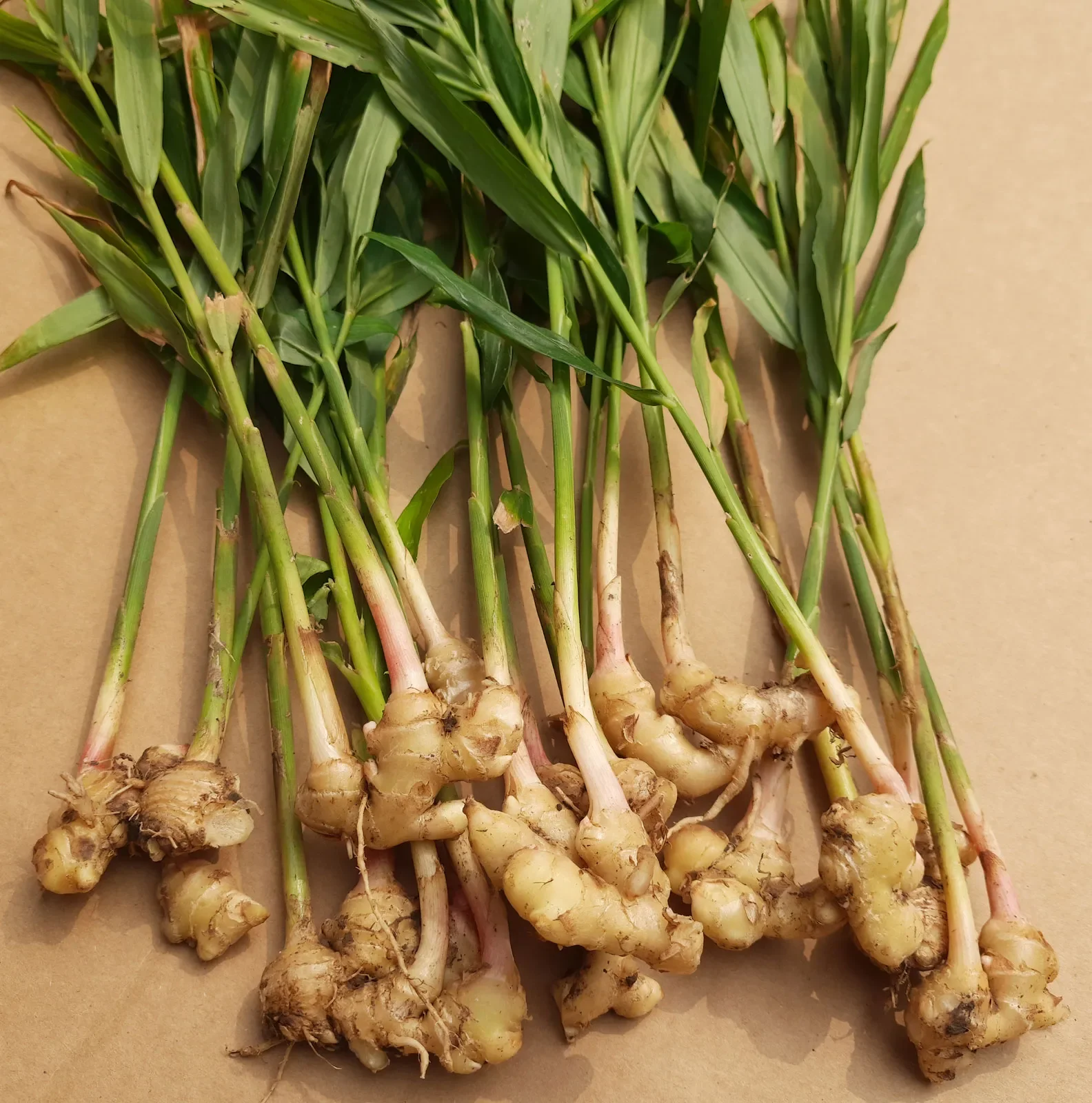
Ginger ‘Zingiber officinale’
Ginger is a warming, aromatic rhizome traditionally used to stimulate digestion, movement and vitality. Potent and immediate, it reflects deliberate use shaped by season and sensation.
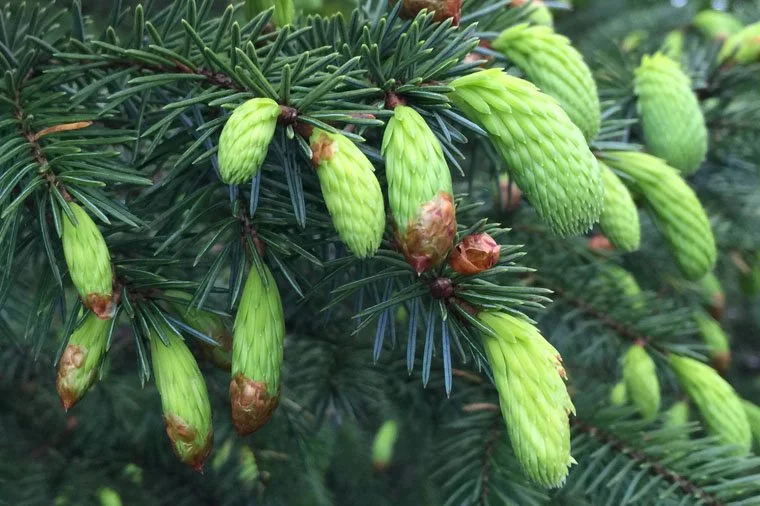
Spruce Tips ‘Picea spp’
Spruce tips are the fresh spring growth of spruce trees, traditionally used as food, tea and syrup. Bright, citrusy and nutrient-rich, they reflect renewal and seasonal nourishment.
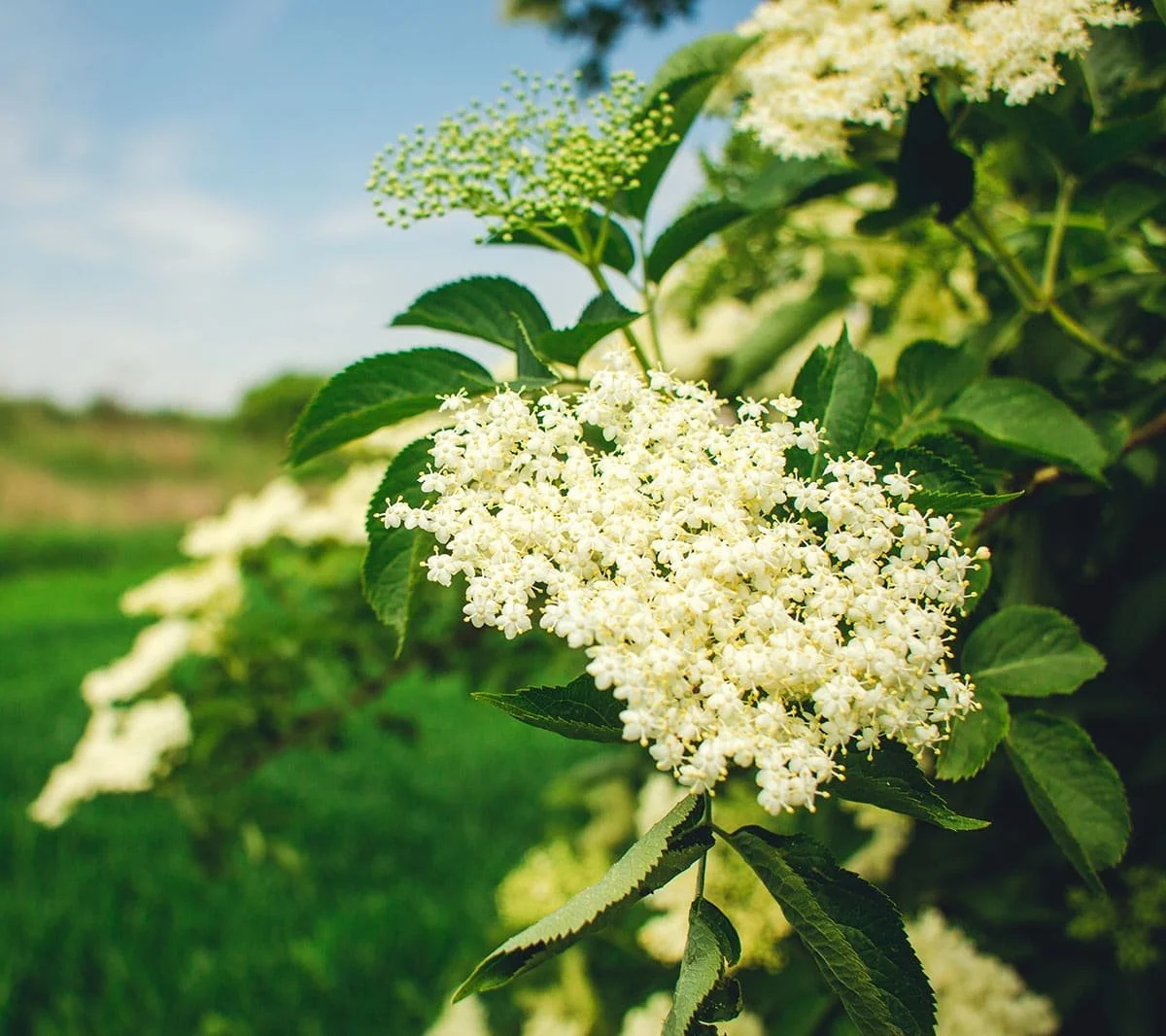
Elderflower ‘Sambucus nigra’
Elderflower is a fragrant, seasonal blossom traditionally used in teas, cordials and gentle herbal preparations. Fleeting and aromatic, it reflects renewal, transition and careful harvesting.
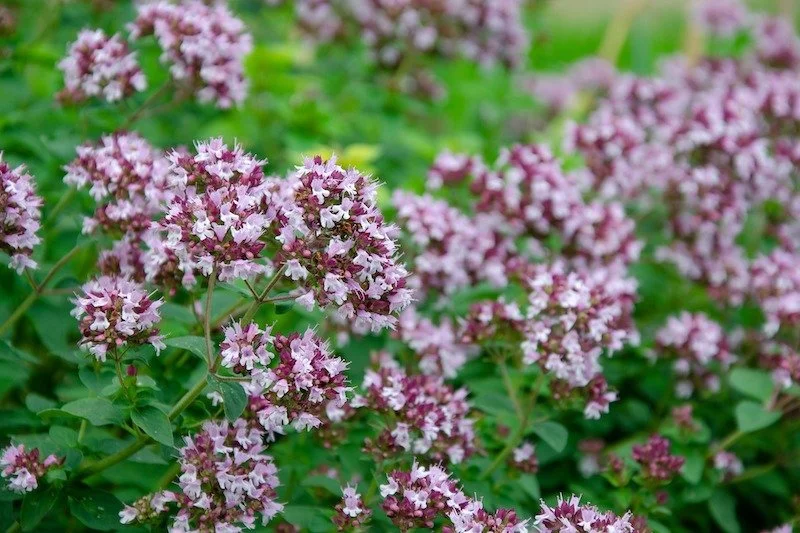
Oregano ‘Origanum vulgare’
Oregano is a warm, aromatic herb traditionally used as food and household support. Valued for flavour, preservation and everyday vitality, it bridges kitchen use and modern research.
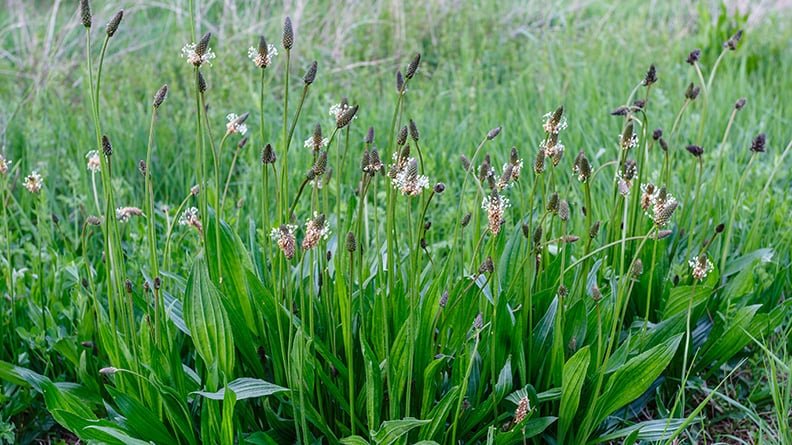
Ribwort Plantain ‘Plantago lanceolata’
Ribwort plantain is a resilient meadow plant traditionally used for breath, skin and everyday support. Abundant and dependable, it reflects practical herbal use shaped by familiarity and care.
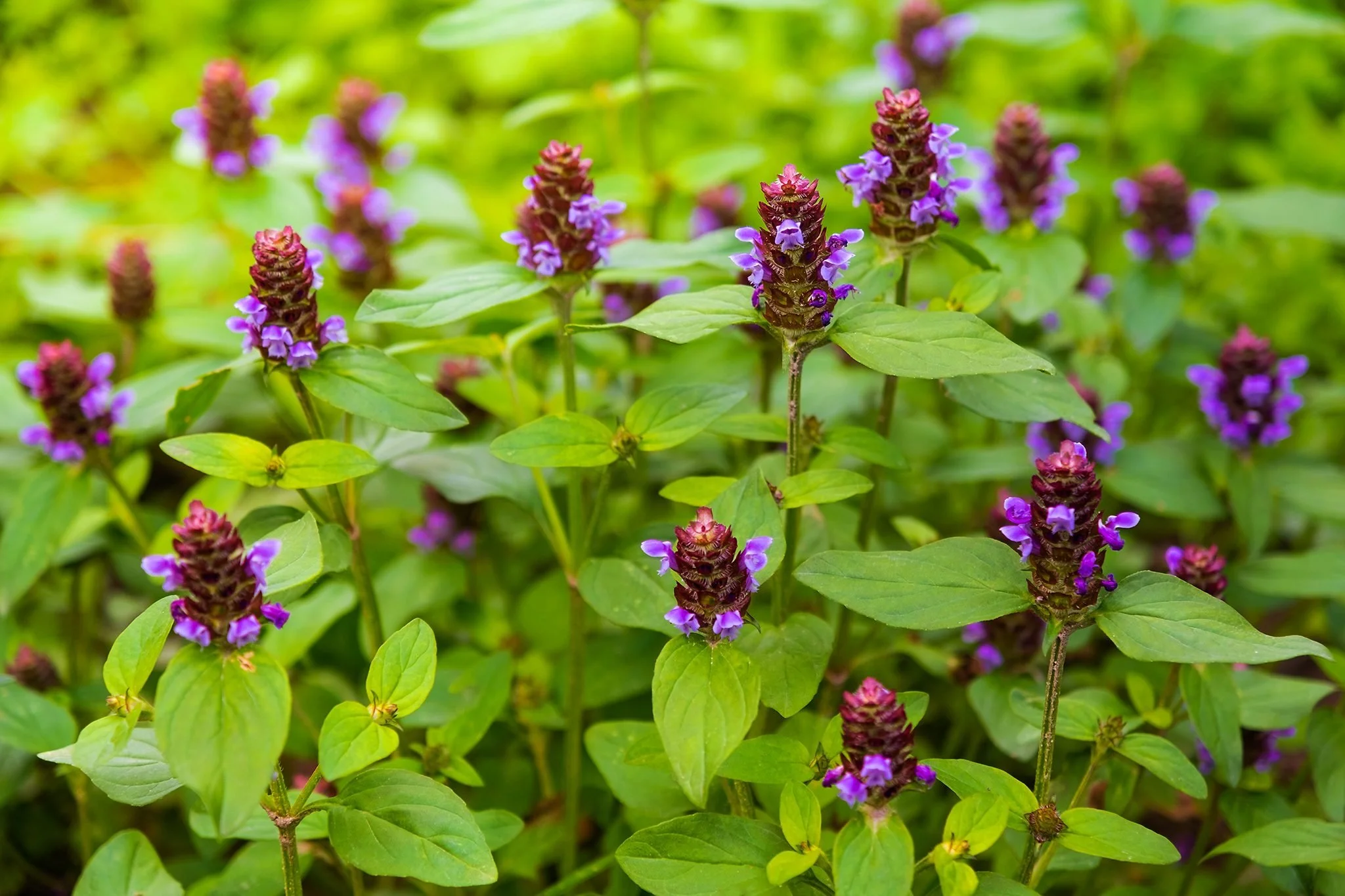
Self-heal ‘Prunella vulgaris’
Self-heal is a low-growing meadow plant traditionally valued for broad, everyday support. Known for its resilience and versatility, it reflects healing through consistency rather than intensity.
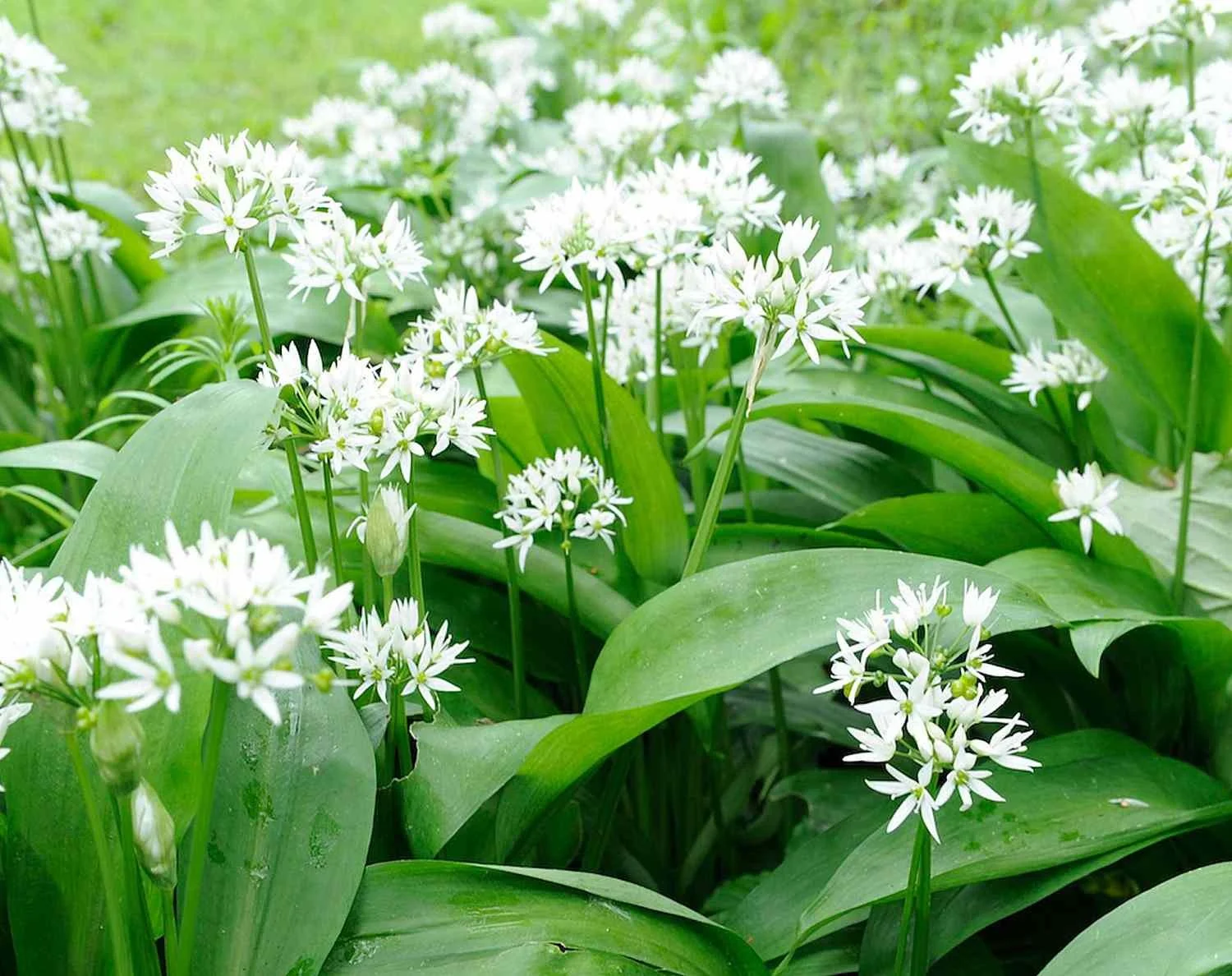
Wild Garlic ‘Allium ursinum’
Wild garlic is a strongly aromatic spring plant traditionally gathered as one of the first fresh foods of the year. Valued for flavour, nutrition and seasonal renewal, it reflects food-first use grounded in abundance and care.
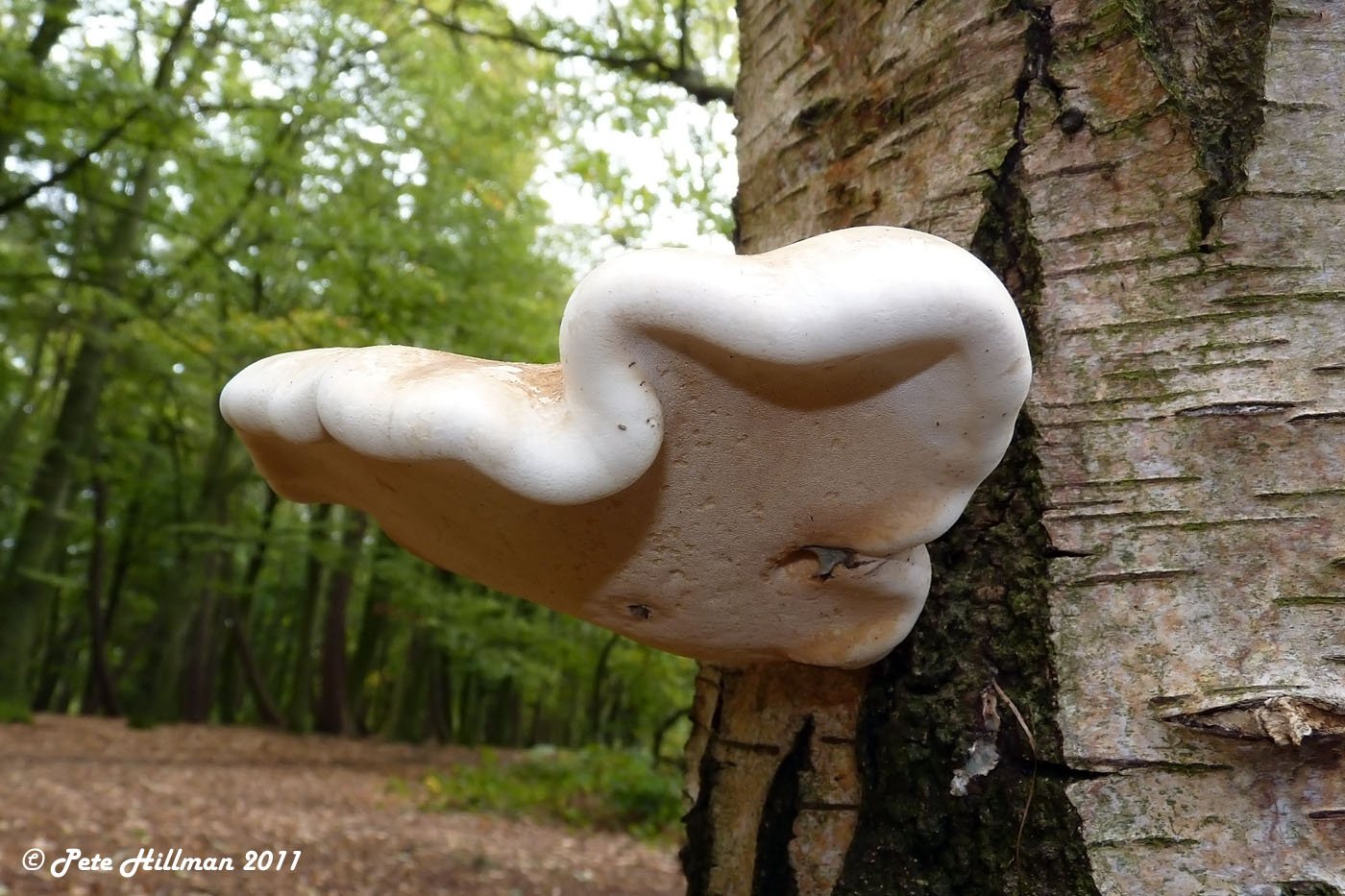
Birch Polypore ‘Fomitopsis betulina’
Birch polypore is a pale bracket fungus found almost exclusively on birch trees, long valued for its practical, functional role in woodland traditions. Used historically for external applications and simple decoctions, it reflects a relationship built on reliability rather than rarity.
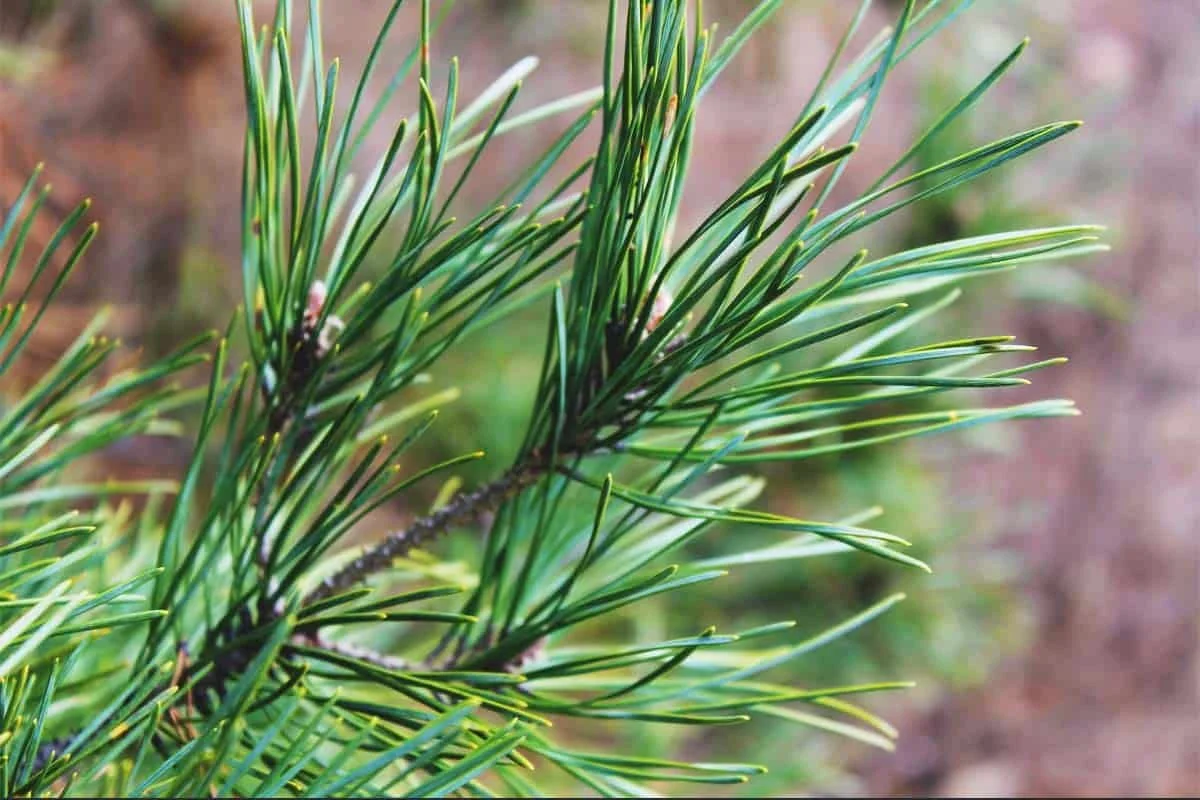
Pine Needles ‘Pinus spp’
Pine needles are one of the most familiar and accessible forest materials, present year-round and especially valued in winter. Traditionally used as teas and steams, they offered both nourishment and comfort when fresh plants were scarce. Rich in aromatic compounds, vitamins and minerals, pine needles continue to bridge everyday seasonal practice and modern understanding.
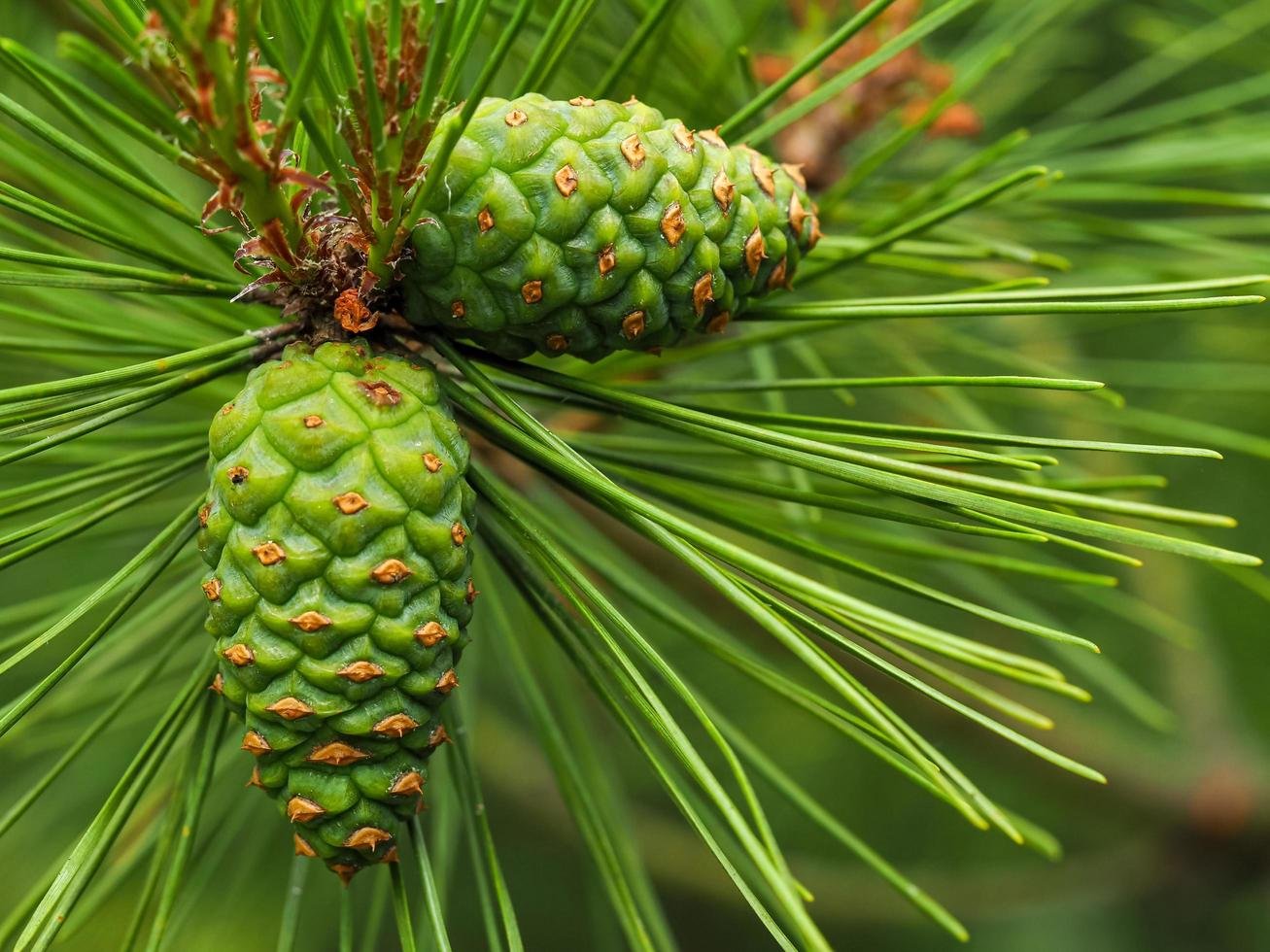
Pine Cones ‘Pinus spp’
Young pine cones have long been gathered in early summer and preserved for slower use through the year. Traditionally worked with in syrups and honeys, they are valued for their resinous aroma, polyphenol content and seasonal rhythm rather than immediate effect. Pine cones sit firmly within tonic traditions, where patience, gentle extraction and continuity matter more than intensity.
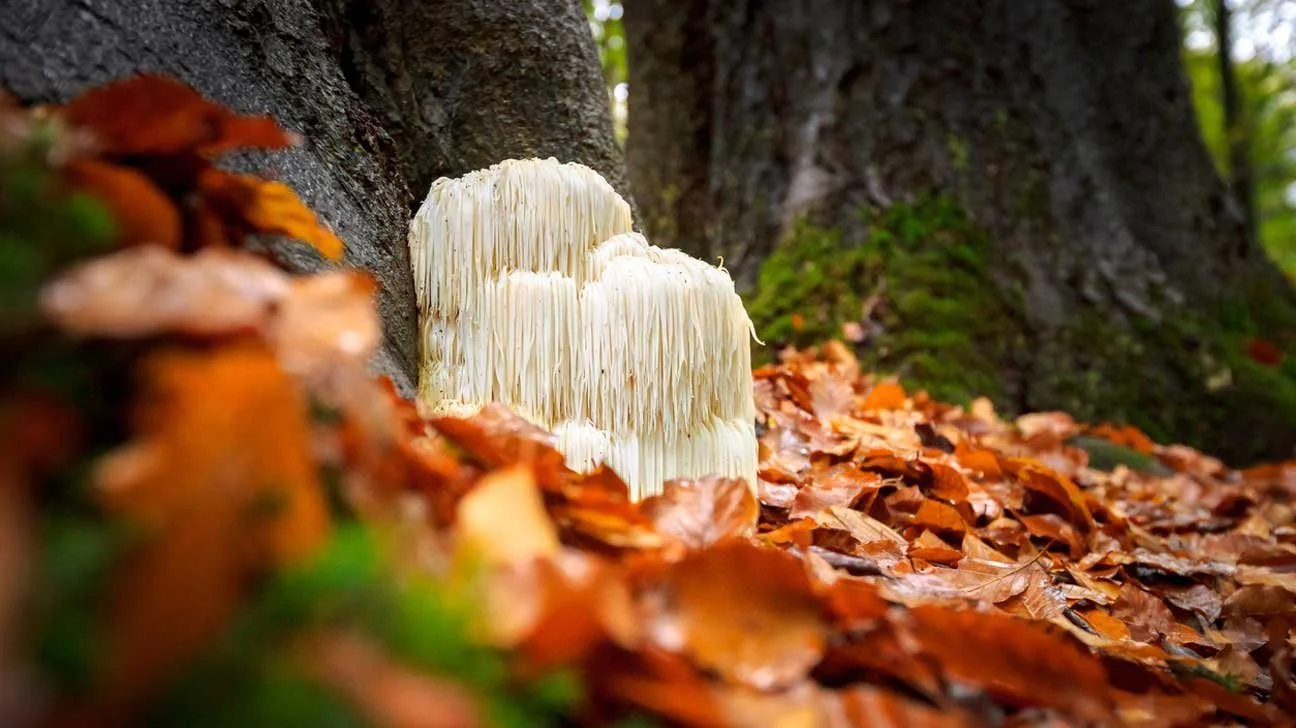
Lion’s Mane ‘Hericium erinaceus’
A distinctive edible mushroom with a long history of use, Lion’s Mane has been studied for its relationship with cognitive function and nervous system health. This entry explores its identification, ecology, traditional use and human research.
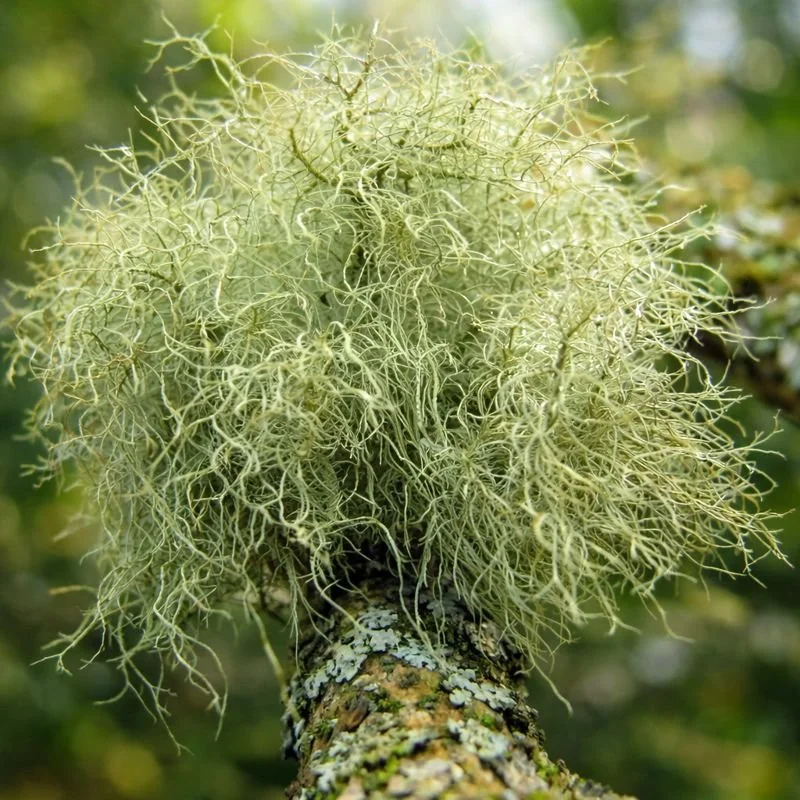
Old Man’s Beard ‘Usnea barbata’
A distinctive beard-like lichen that grows only in clean air, usnea has a long history of traditional use in folk and wilderness practice. This entry explores identification, ecology, preparation and research context.
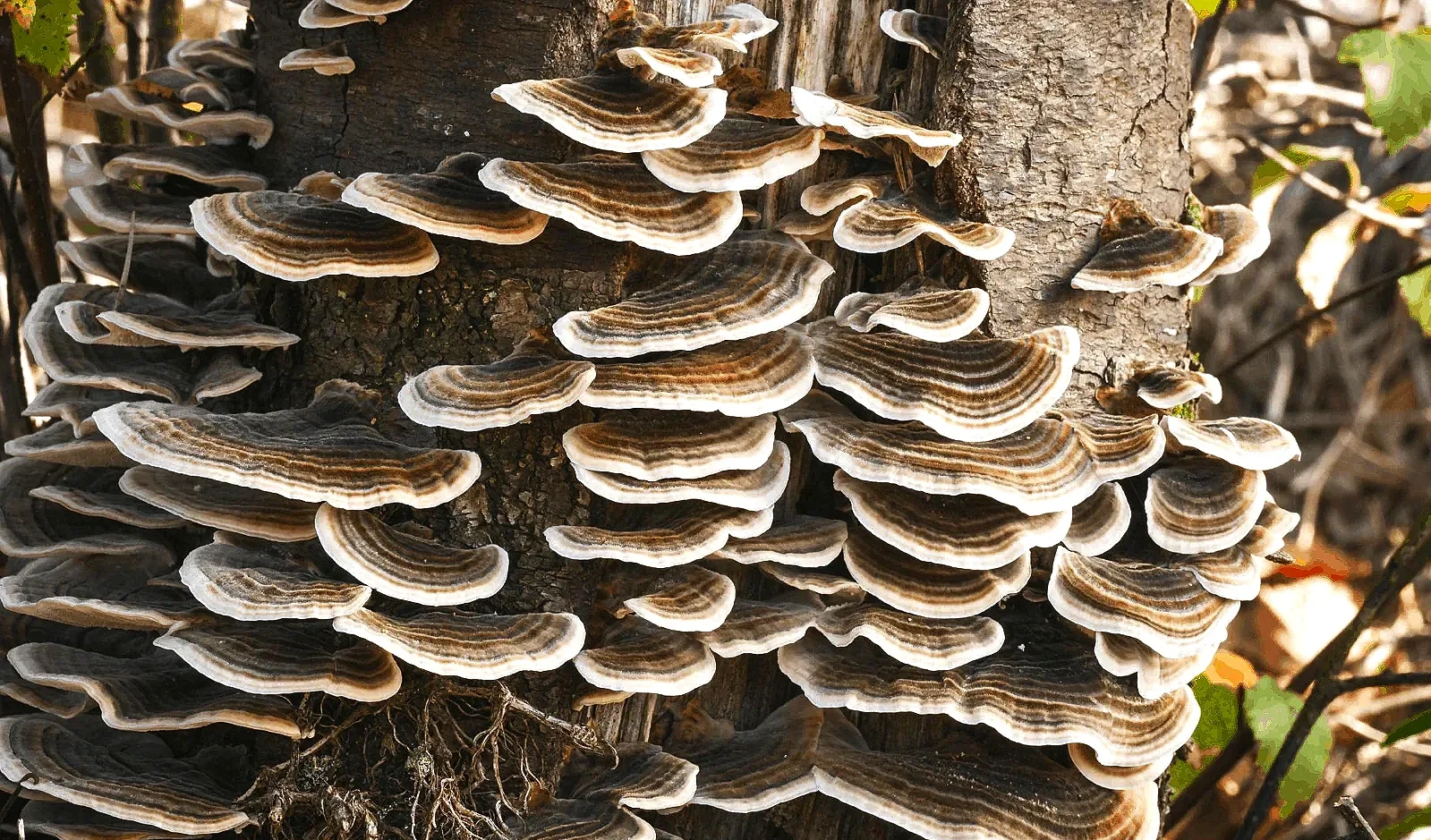
Turkey Tail ‘Trametes versicolor’
Layered, resilient and widespread, Turkey Tail is a familiar woodland fungus with deep roots in traditional practice. Here we explore its growth, use and evolving research context.
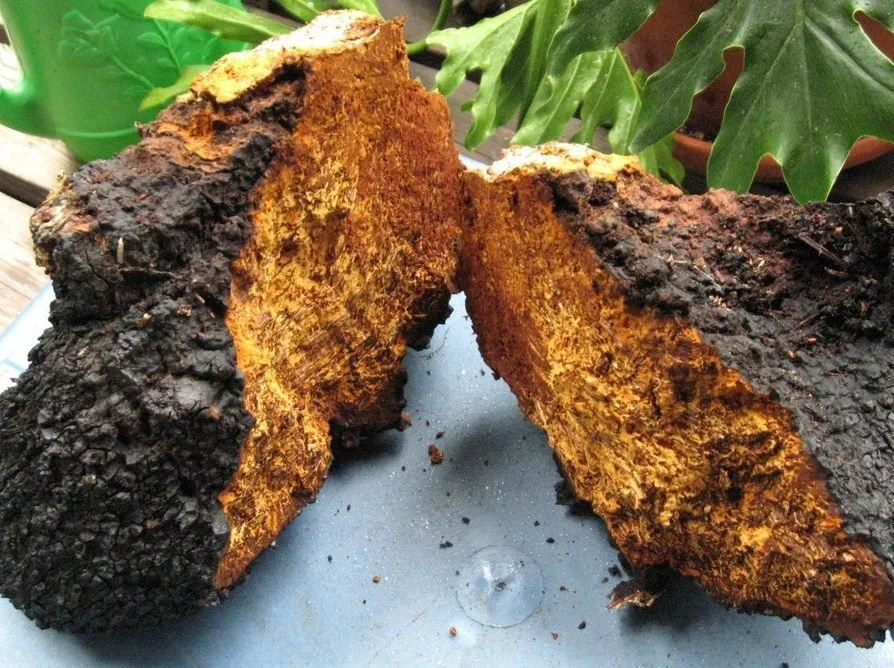
Chaga ‘Inonotus obliquus’
A slow-growing birch fungus from northern forests, chaga has a long history of traditional use. This entry explores how it grows, how it’s used, and why it’s valued as a steady forest ally.