
Lemon Balm ‘Melissa officinalis’
Identification & Appearance
Lemon balm is recognised first through scent. When brushed or lightly crushed, its leaves release a clear, fresh lemon aroma that is unmistakable and immediate. This sensory response often precedes visual identification, making lemon balm one of the most intuitively recognised herbs once encountered.
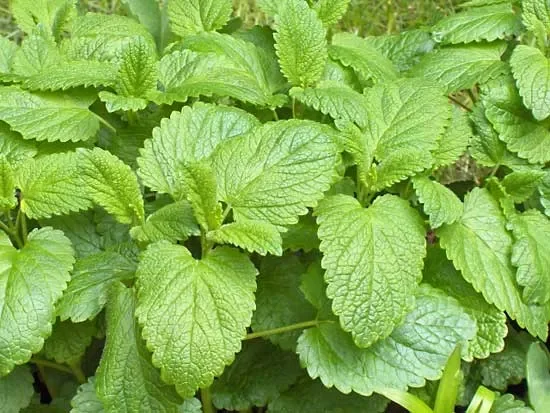
The plant grows in loose, bushy clumps, with soft green leaves held on upright, branching stems. The leaves are heart-shaped with gently toothed edges and a slightly crinkled surface. Small white or pale cream flowers appear in summer, tucked into the leaf joints, modest and easily overlooked compared to the plant’s aromatic presence.
Lemon balm typically appears as:
Soft green, heart-shaped leaves with toothed edges
Strong lemon scent released when handled
Slightly crinkled, textured leaf surface
Small white or pale flowers in summer
Bushy, spreading growth habit
It is most commonly confused with:
Other mint family plants lacking the distinct lemon aroma
Scent remains the most reliable identifier.
Habitat, Growth & Ecology
Lemon balm is not native to the UK, originating in southern Europe and the eastern Mediterranean, but it has been cultivated here for centuries. Its long presence in monastery gardens, physic gardens and domestic plots has fully integrated it into British herbal tradition despite its non-native status.
It thrives in gardens, allotments and sheltered edges, preferring well-drained soil and partial sun. Once established, lemon balm spreads readily, often returning year after year with little encouragement. Ecologically, it supports pollinators and responds well to cutting, producing fresh growth repeatedly through the season.
Lemon balm is a plant shaped by proximity to people, flourishing where it is tended, harvested and returned to.
History, Tradition & Cultural Use
Lemon balm has long been used as a plant of reassurance. Historically, it was valued not for dramatic physical effects but for its ability to steady the mind and lift the spirits. It appeared consistently in monastic gardens, where it was used to support emotional balance, clarity and calm.
Across European herbal traditions, lemon balm was taken regularly rather than episodically. It was infused into teas, wines and cordials, often consumed daily during periods of stress, grief or mental strain. Its use was gentle and familiar, not reserved for crisis but woven into ordinary life.
Lemon balm was trusted because it was kind. It did not overwhelm, sedate or dull. Instead, it softened agitation and brought ease through repeated, steady use.
Myth, Lore & Symbolism
Lemon balm has long been associated with joy, lightness and restoration. Its botanical name, Melissa, is linked to bees, and the plant has historically been used to attract and calm hives. This relationship shaped its symbolic association with harmony, cooperation and sweetness.
In folk belief, lemon balm was planted near dwellings to bring calm into the household. Its meaning arose not from mythic stories, but from lived experience - a plant that lifted mood, softened tension and restored balance through presence rather than force.
Areas of Scientific Research Interest
Modern scientific interest in lemon balm has developed from its long-standing use in supporting emotional wellbeing and nervous system balance. Research has focused on how lemon balm interacts with neurological pathways, stress response mechanisms and cognitive function.
Lemon balm extracts are now widely used in modern herbal products aimed at stress, sleep and mood support. This represents a direct continuation of traditional use in contemporary form, though research often examines concentrated extracts rather than whole-leaf preparations.
Nervous System and Cognitive Research
Studies suggest lemon balm may:
Support calm cognitive states
Influence stress response pathways
Help moderate nervous system overstimulation
These findings broadly align with traditional descriptions of lemon balm as calming, uplifting and stabilising rather than sedating.
Antiviral and Cellular Research
Some laboratory studies have explored lemon balm in relation to viral activity at a cellular level. This research remains largely preclinical and does not replace traditional frameworks of use, but contributes to broader interest in the plant’s biochemical profile.
Nutritional Profile: Vitamins & Minerals
Lemon balm is not used primarily for nutrition, but it does contain a range of vitamins, minerals and plant compounds that support general bodily function. Its nutritional contribution is secondary to its nervous system effects, but these constituents help explain why it has long been valued as a steady, restorative herb.
Reported constituents include:
Vitamin C - supports immune function, collagen formation and cellular repair
Calcium - supports bone health, muscle contraction and nerve signalling
Magnesium - supports nervous system regulation, muscle function and energy metabolism
Potassium - supports fluid balance, heart rhythm and normal muscle function
Polyphenols - plant compounds associated with antioxidant activity and tissue resilience
Volatile oils - contribute to aroma, sensory effects and the plant’s traditional calming character
Traditional Use vs Modern Research
Traditional use of lemon balm focused on lived experience rather than measurement. People described how it eased worry, lifted heaviness and restored a sense of steadiness. These effects were observed through daily use and felt over time, not through immediate or dramatic change.
Modern research reframes these observations in neurological and biochemical terms, examining how lemon balm interacts with stress hormones, neural signalling and cognitive performance. While this provides explanatory insight, it can reduce a relational plant into a list of mechanisms.
Both perspectives agree on lemon balm’s gentle, supportive nature. Where they differ is emphasis. Traditional use prioritised emotional tone and lived ease, while research seeks measurable outcomes. Understanding lemon balm requires holding both without flattening either.
Preparation & Practical Use
Lemon balm was traditionally prepared in ways that preserved its aroma and freshness. Its volatile oils are easily lost through prolonged heat, shaping preparation methods that favoured immediacy and light handling.
Leaves were often gathered fresh and used the same day, or dried carefully for short-term storage. Lemon balm preparations were part of daily routines rather than stored remedies.
Teas, Wines and Fresh Preparations
Common preparations include:
Light teas and infusions
Infused wines and cordials
Fresh leaf preparations
Preparation prioritises aroma, freshness and regular use over long extraction.
Ethical Harvesting & Stewardship
Lemon balm is a cultivated plant that responds well to regular harvesting, making ethical use straightforward when grown responsibly.
Best practice includes:
Cutting aerial parts rather than uprooting the plant
Harvesting before flowering for optimal aroma and vitality
Allowing plants to rest between harvests
Growing or sourcing from chemical-free environments
Thoughtful harvesting encourages healthy regrowth and long-term resilience.
Safety & Considerations
Lemon balm is widely regarded as safe and gentle.
Considerations include:
Large quantities may cause mild drowsiness in some people
Those with thyroid conditions may wish to use with moderation
Fresh and dried forms behave differently and should be adjusted accordingly
Traditional use favoured regular, moderate intake rather than concentrated dosing.
How We Work With Lemon Balm at KindRoots
At KindRoots, lemon balm is treated as a foundational calming herb rather than a specialised intervention. We work with it where steadiness, reassurance and balance are needed.
Lemon balm is used primarily in teas and blended preparations, where its gentle lemon aroma and nervous system support help soften tension without dulling clarity. It may also appear in formulations intended to support sleep or emotional transition, chosen for its reliability and kindness.
Our approach prioritises fresh or gently dried leaf, light preparation and consistent use, allowing lemon balm to work as it always has - through familiarity rather than force.
Lemon balm is used gently and consistently in our own practice and appears in a number of our preparations.
Closing Note
Lemon balm teaches that calm does not require absence or withdrawal. It offers ease without sedation, clarity without sharpness. Its support arrives quietly, through repetition and trust rather than intensity.
To work with lemon balm is to practice gentleness without fragility. It reminds us that steadiness can be cultivated, and that care does not always need to be urgent to be effective.
