
Peppermint ‘Mentha × piperita’
Identification & Appearance
Peppermint is recognised as much by sensation as by sight. When brushed or crushed, its leaves release an immediate, cooling aroma that is sharp, clean and unmistakable. This sensory clarity defines peppermint’s character and has shaped how it has been used for centuries - as a plant that brings focus, relief and movement where things feel overheated, tense or stagnant.
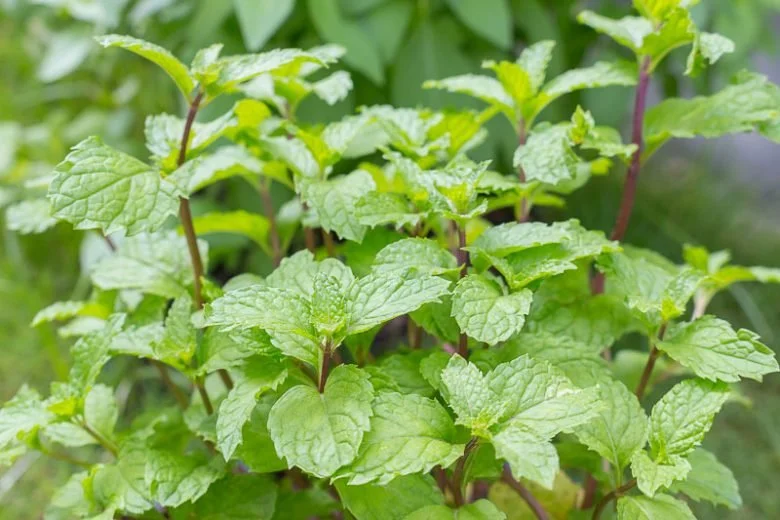
The plant grows as a vigorous perennial with square stems and opposite, dark green leaves that are lightly serrated and slightly pointed. In summer, small pale purple flowers appear in short spikes, though peppermint is more often harvested for leaf than flower. Unlike many herbs, peppermint spreads aggressively through underground runners, forming dense patches when left unchecked.
Peppermint typically appears as:
Dark green, oval to lance-shaped leaves with serrated edges
Strong, cooling menthol aroma when handled
Square stems typical of the mint family
Pale purple flowers in summer
Spreading growth habit via underground runners
It is most commonly confused with:
Spearmint, which is sweeter and less cooling
Other mint hybrids with weaker aroma
Scent remains the most reliable identifier.
Habitat, Growth & Ecology
Peppermint is not native to the UK. It is a naturally occurring hybrid of water mint and spearmint, first recorded in Europe and now widely cultivated. In the UK it is commonly grown in gardens, allotments and managed herb beds, where its spreading habit can be controlled.
Peppermint prefers moist, fertile soil and partial sun. Ecologically, it supports pollinators during flowering but can outcompete other plants if allowed to spread freely. Because of this, peppermint is best grown in contained spaces rather than wild settings.
Stewardship focuses on management rather than protection, ensuring peppermint’s vigour does not overwhelm surrounding plants.
History, Tradition & Cultural Use
Peppermint has a long history of use across Europe and the Middle East, valued for its cooling, clarifying and digestive qualities. Historically, it was used where heat, tension or excess needed to be relieved rather than stimulated.
Peppermint appeared in teas, tinctures, waters and culinary preparations, particularly after meals or during periods of digestive discomfort. It was also used to ease headaches, support concentration and freshen breath, making it a staple of domestic herbal practice.
Unlike warming herbs such as ginger, peppermint was chosen to cool and soothe. Its use reflects balance rather than intensity, offering relief without dulling awareness.
Myth, Lore & Symbolism
Peppermint’s symbolism centres on clarity and refreshment. In classical mythology, mint was associated with transformation and renewal, while in folk tradition it became linked with hospitality and cleanliness.
Sprigs of mint were traditionally laid on tables or floors to freshen spaces, reflecting peppermint’s role as a purifier of atmosphere as much as of the body. Its meaning arose from repeated experience: peppermint made things feel clearer, lighter and easier to engage with.
Areas of Scientific Research Interest
Modern scientific interest in peppermint has focused on its menthol content and interaction with digestive, nervous and pain pathways. Research often examines peppermint oil and extracts rather than whole-leaf preparations, which influences how results should be interpreted.
Peppermint-derived compounds are widely used in modern pharmaceutical and over-the-counter products, particularly for digestive comfort and topical cooling.
Digestive and Antispasmodic Research
Studies suggest peppermint may:
Support relaxation of smooth muscle in the digestive tract
Reduce sensations of bloating and cramping
Improve digestive comfort when used appropriately
These findings align with traditional use after meals and during digestive tension.
Neurological and Sensory Research
Peppermint’s menthol content has been studied for its interaction with sensory receptors, particularly those involved in cooling and pain perception. Research suggests peppermint may influence headache discomfort and mental alertness through sensory pathways.
Nutritional Profile: Vitamins & Minerals
Peppermint is not consumed for nutrition in large quantities, but it contains supportive compounds that contribute to its functional effects.
Reported constituents include:
Vitamin C - supports immune function and cellular repair
Vitamin A (carotenoids) - supports skin and mucous membrane health
Calcium - supports bone health and muscle contraction
Magnesium - supports nervous system regulation and muscle function
Iron (trace) - supports oxygen transport and energy production
Menthol - contributes to cooling sensation and digestive research interest
Volatile oils - support aroma, sensory effects and traditional digestive use
Its value lies primarily in its sensory chemistry rather than nutritional density.
Traditional Use vs Modern Research
Traditional use of peppermint was guided by sensation and response. People reached for it when heat, tightness or discomfort were present, and judged its usefulness by how quickly relief arrived. Peppermint was rarely used continuously. It was taken as needed, then set aside.
Modern research reframes these experiences through menthol and smooth muscle interaction, offering mechanistic explanations for digestive and sensory effects. While this provides clarity, it can overemphasise isolated compounds rather than whole-plant context.
Where both frameworks align is in peppermint’s role as a reliever rather than a builder. Where they diverge is in application: traditional use relied on light, responsive dosing, while modern products often standardise strength.
Understanding peppermint requires respecting its immediacy and restraint.
Preparation & Practical Use
Peppermint has always been prepared in ways that preserve its volatile oils. Excessive heat or prolonged storage diminishes its effectiveness, shaping preparation methods that emphasise freshness and short extraction times.
Because peppermint spreads easily and regrows quickly, it has traditionally been harvested often and used fresh when possible.
Teas & Infusions
Common preparations include:
Light teas made from fresh or dried leaf
Short infusions rather than long decoctions
These preparations are cooling, aromatic and fast-acting.
Oils and Aromatic Use
Peppermint is also prepared as:
Essential oil for topical or aromatic use
Infused oils in diluted form
These preparations are concentrated and require careful handling.
Ethical Harvesting & Stewardship
Peppermint is a cultivated plant, and ethical considerations focus on responsible growing and containment.
Responsible practice includes:
Harvesting aerial parts without disturbing roots
Cutting regularly to encourage healthy regrowth
Preventing uncontrolled spread into surrounding ecosystems
Growing in containers or bounded beds
Stewardship here is about balance, not scarcity.
Safety & Considerations
Peppermint is generally well tolerated, but its cooling intensity requires awareness.
Considerations include:
Concentrated oils should always be diluted
Peppermint may aggravate reflux in some individuals
Not suitable for very young children in essential oil form
Excessive use may cause digestive discomfort rather than relief
Traditional use relied on moderation and responsiveness rather than sustained high intake.
How We Work With Peppermint at KindRoots
At KindRoots, peppermint is treated as a clarifying, supportive herb rather than a daily tonic.
We work with peppermint primarily in teas and blended preparations, particularly where digestive comfort, freshness or mental clarity are needed. It is valued for its ability to lift heaviness and bring balance to richer or more warming blends.
Our approach prioritises appropriate quantity, fresh leaf where possible, and thoughtful combination with other herbs, allowing peppermint to support without overwhelming.
Peppermint is used sparingly and with intention in our own practice and appears in a small number of our preparations.
Closing Note
Peppermint offers relief through clarity. It cools what is overheated, loosens what is tight, and sharpens what feels dull.
To work with peppermint is to respond rather than persist. It reminds us that some forms of care are meant to arrive quickly and leave lightly, restoring balance without demanding long-term attention.
