
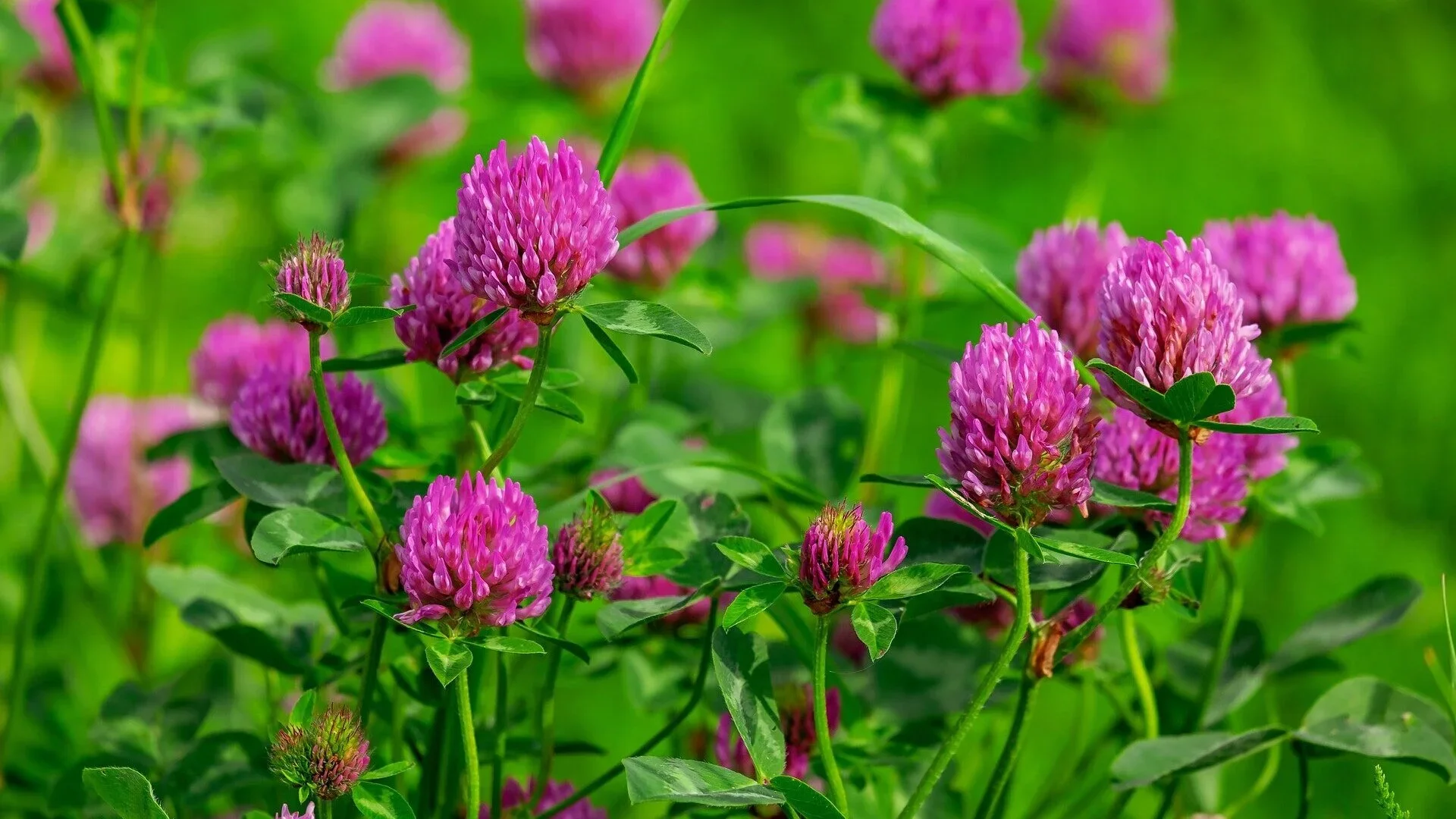
Red Clover ‘Trifolium pratense’
Red clover is a gentle, abundant plant long associated with nourishment, balance and women’s health. This entry explores its role in folk tradition, modern hormonal research, ecological importance and why red clover is best understood as a steady companion rather than a forceful remedy.
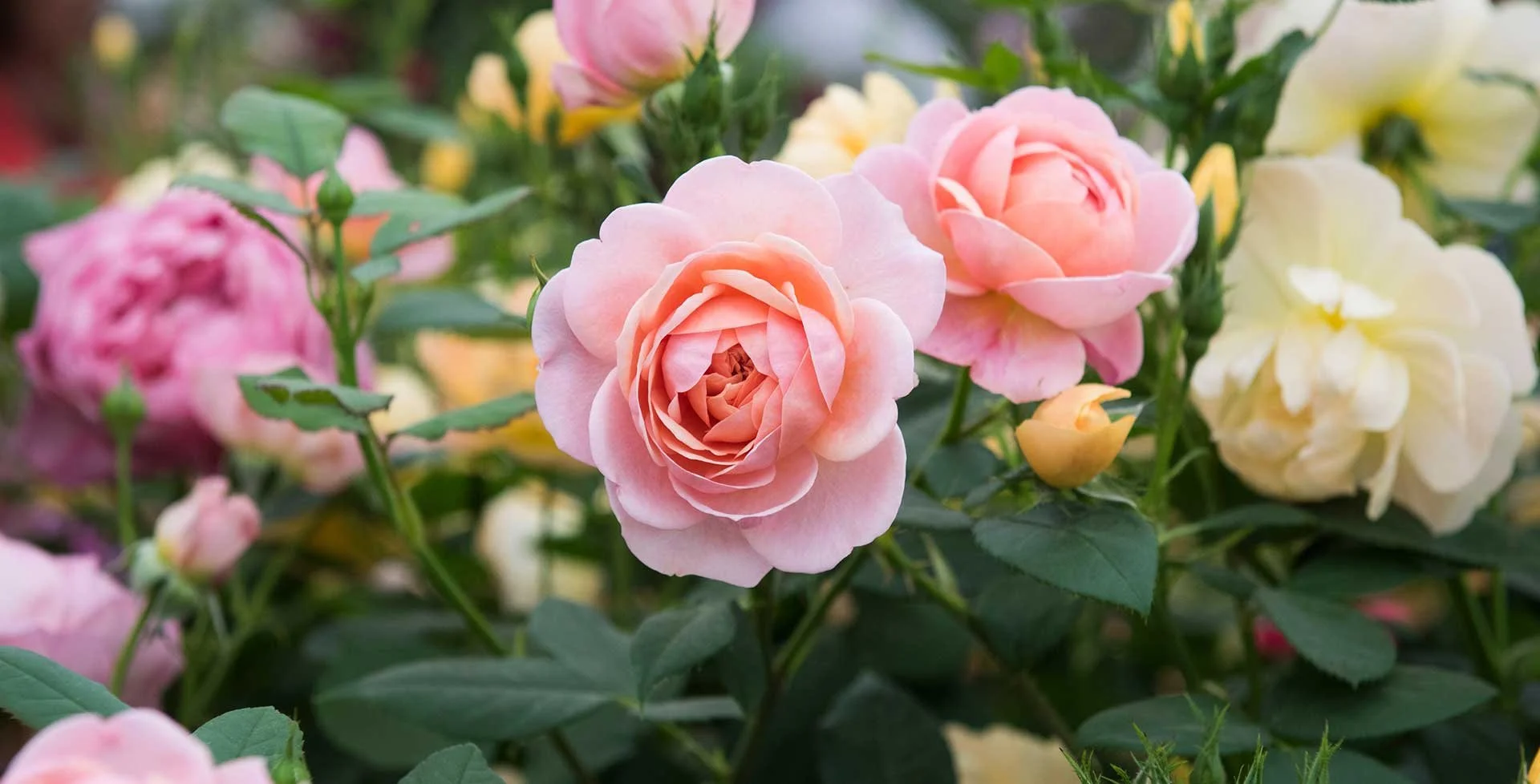
Rose Petals ‘Rosa spp’
Rose petals are delicately fragrant flowers traditionally used for emotional balance, gentle teas and sensory nourishment. Fleeting and soft, they reflect care through presence rather than intensity.
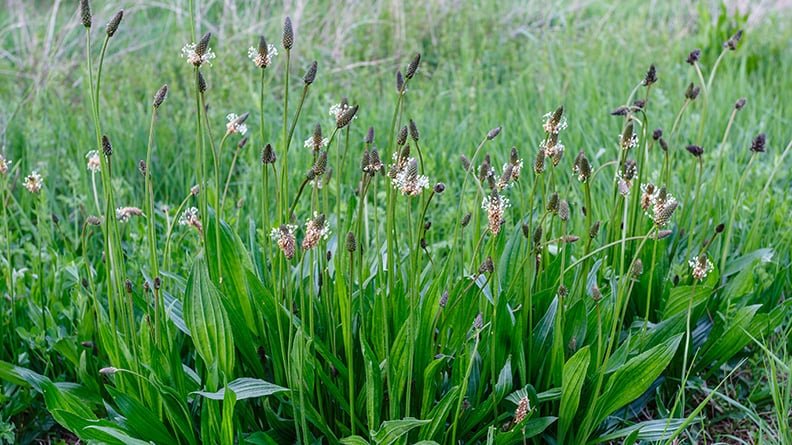
Ribwort Plantain ‘Plantago lanceolata’
Ribwort plantain is a resilient meadow plant traditionally used for breath, skin and everyday support. Abundant and dependable, it reflects practical herbal use shaped by familiarity and care.
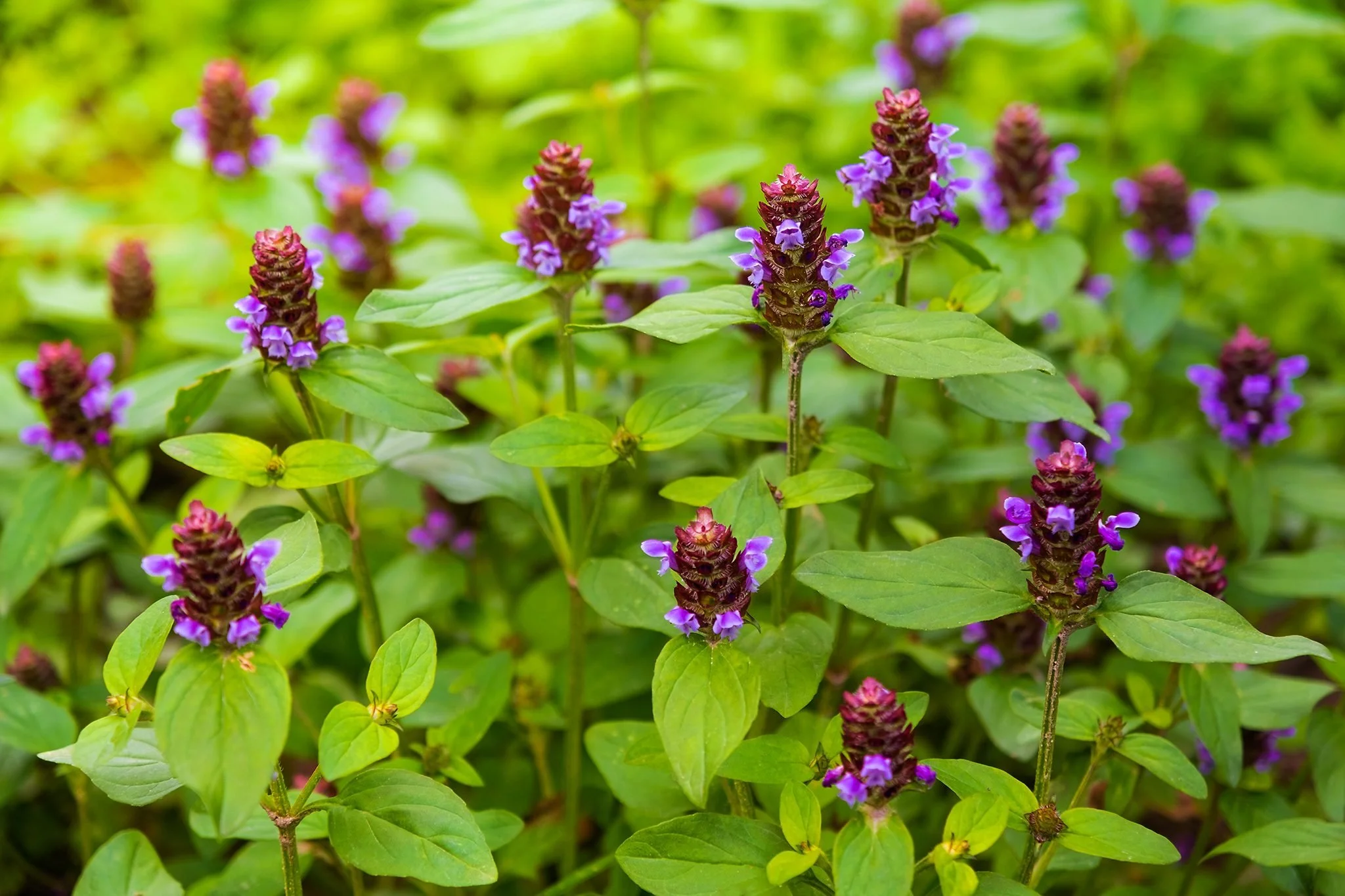
Self-heal ‘Prunella vulgaris’
Self-heal is a low-growing meadow plant traditionally valued for broad, everyday support. Known for its resilience and versatility, it reflects healing through consistency rather than intensity.
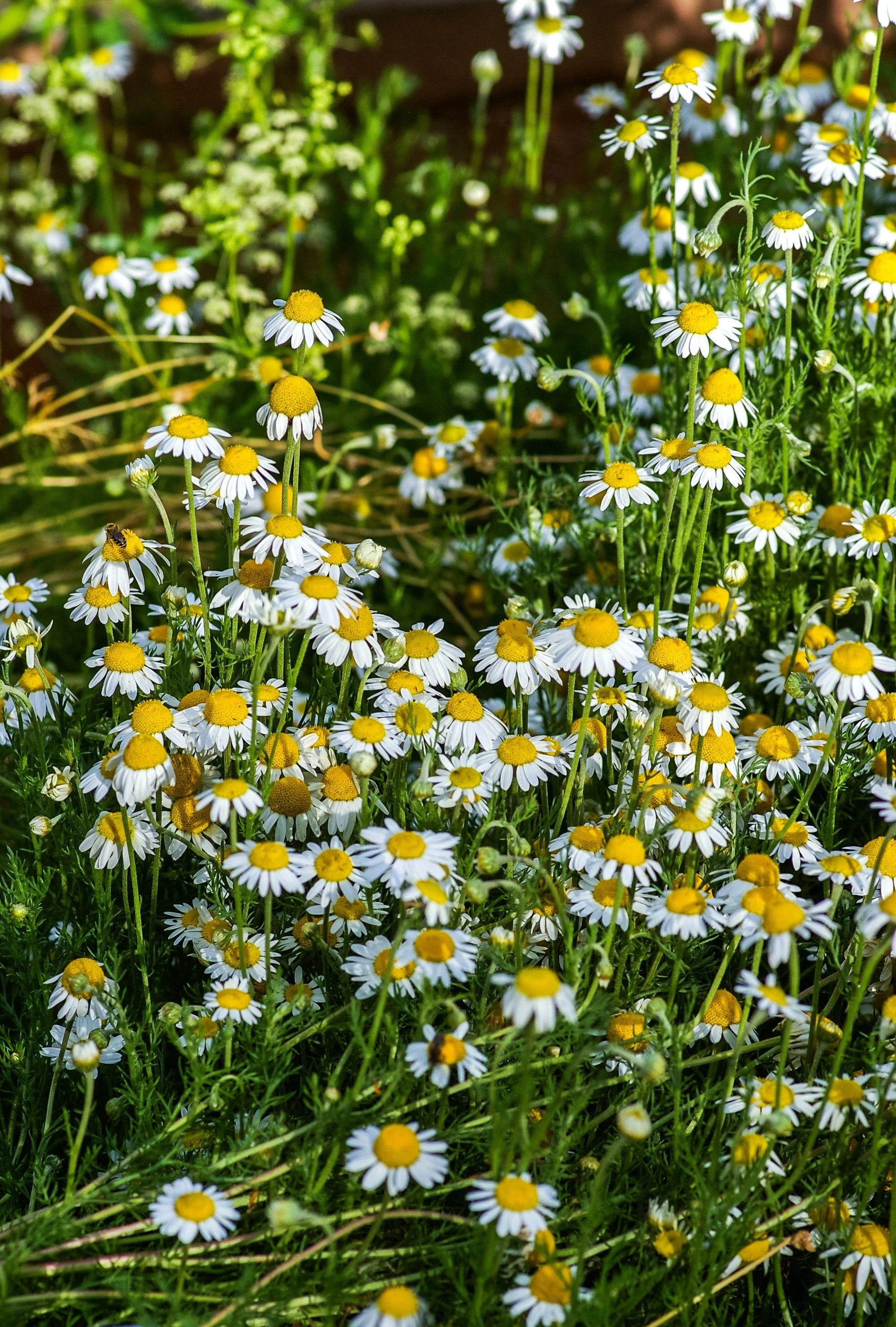
Chamomile ‘Matricaria chamomilla’
Chamomile is a gentle, aromatic herb traditionally used as a calming tea and soothing skin plant. Widely trusted across cultures, it reflects care, consistency and everyday use.
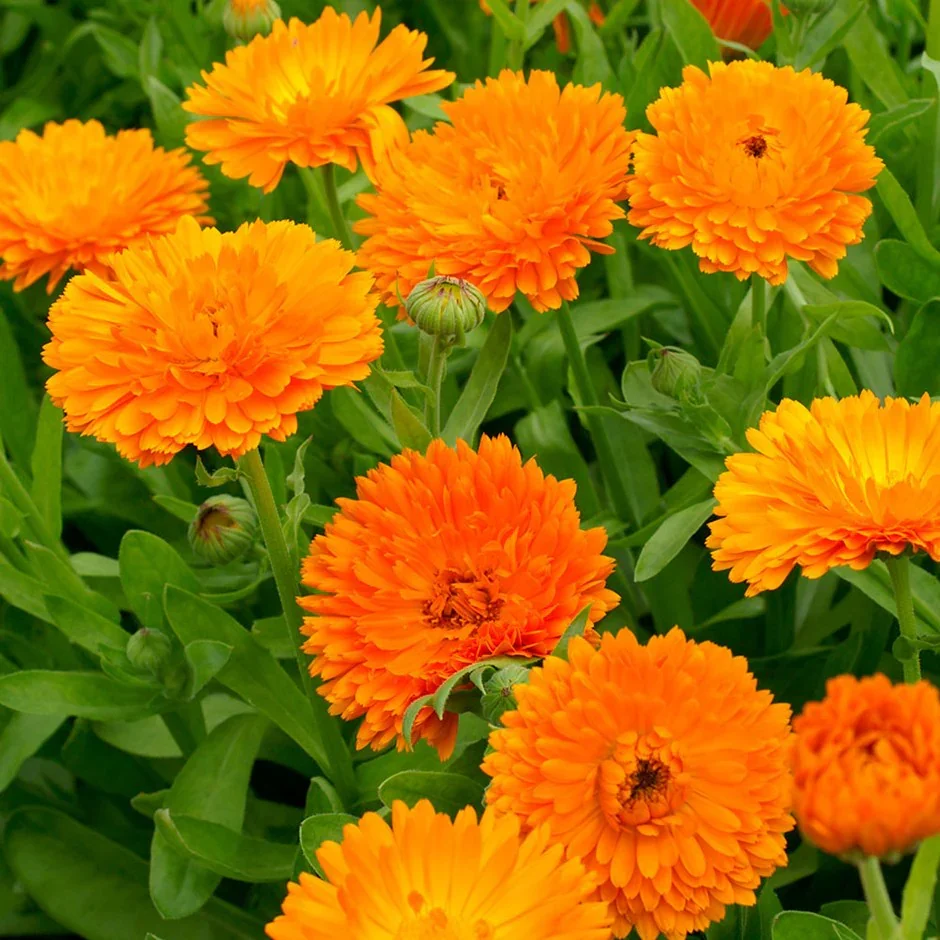
Calendula ‘Calendula officinalis’
Calendula is a bright, familiar garden flower long valued for gentle, practical skin use. Traditionally prepared as oils, balms and washes, it reflects a relationship built on consistency, accessibility and care.
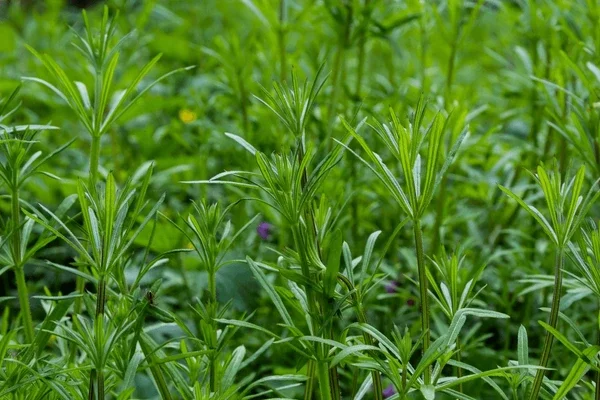
Cleavers ‘Galium aparine’
Cleavers is a fast-growing, sticky spring plant traditionally used fresh as part of seasonal routines. Known for its clingy texture and gentle character, it reflects a relationship shaped by timing, simplicity and everyday use.
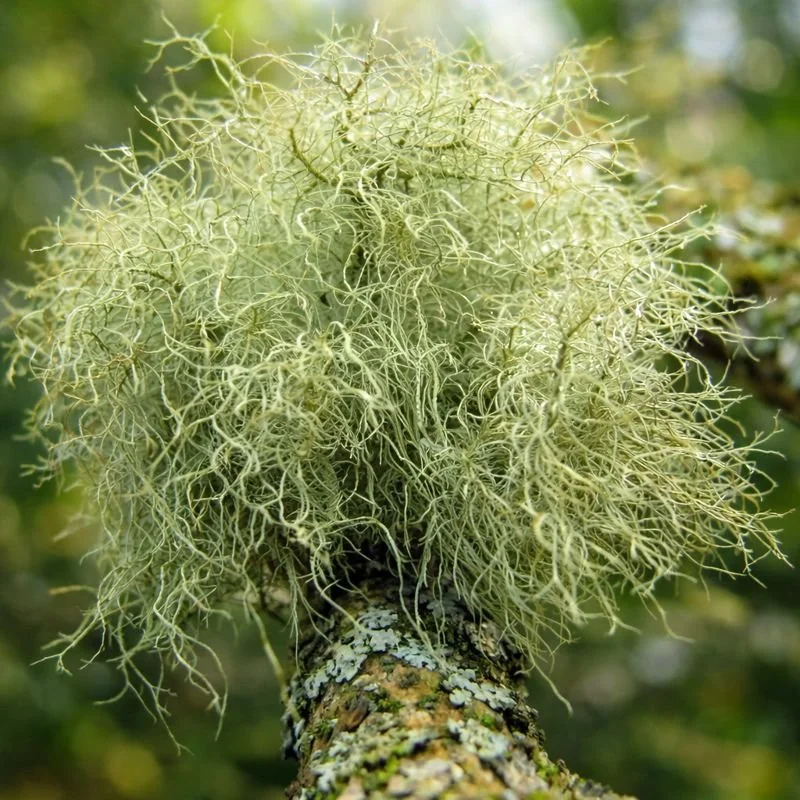
Old Man’s Beard ‘Usnea barbata’
A distinctive beard-like lichen that grows only in clean air, usnea has a long history of traditional use in folk and wilderness practice. This entry explores identification, ecology, preparation and research context.

Bugleweed ‘Ajuga reptans’
A low-growing woodland plant long used in European folk herbalism, Ajuga reptans has traditionally been valued for practical, external applications. This entry explores its identification, habitat, and historical use.