 Image 1 of 2
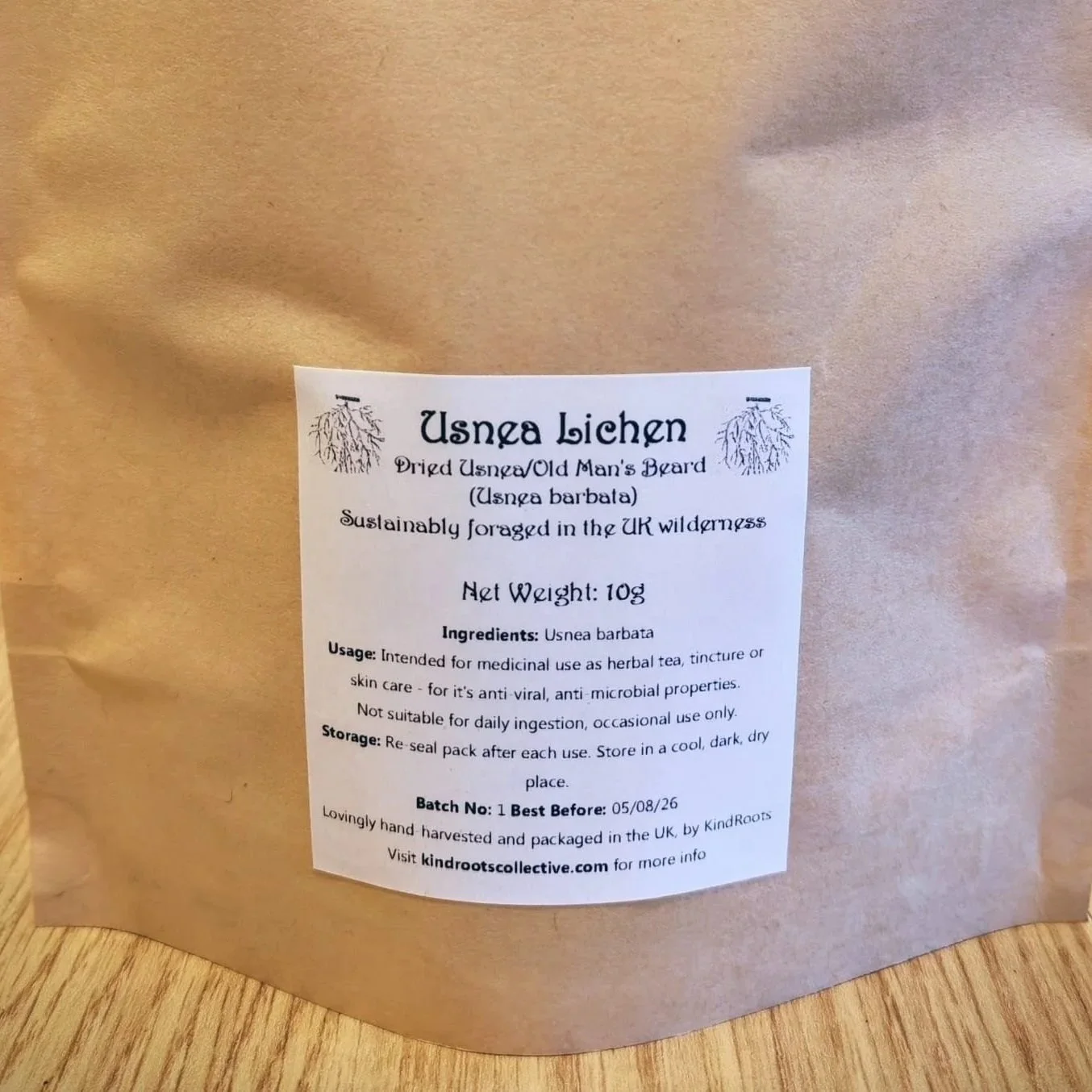 Image 2 of 2
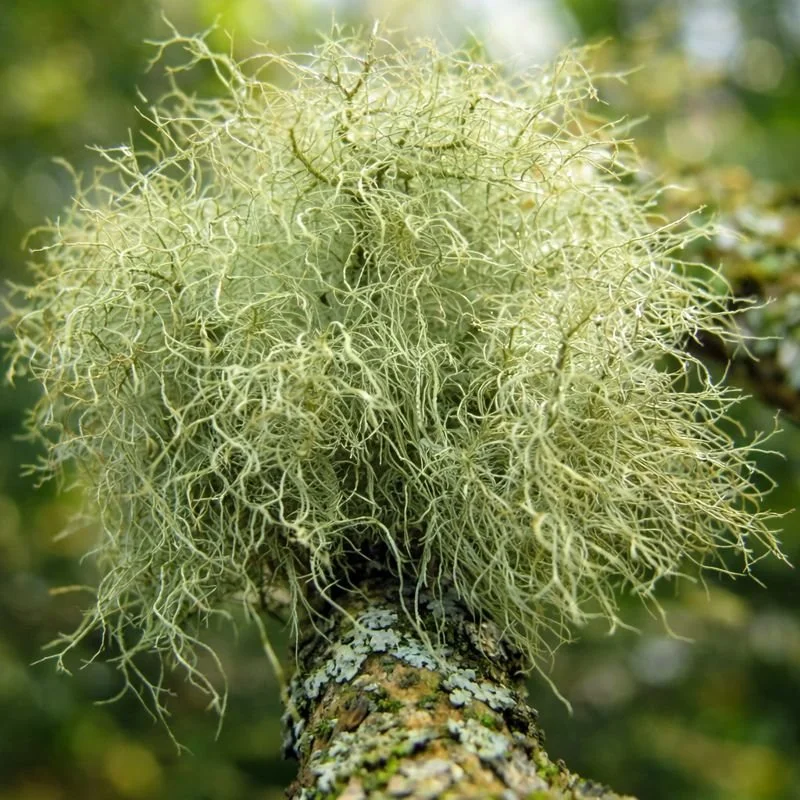
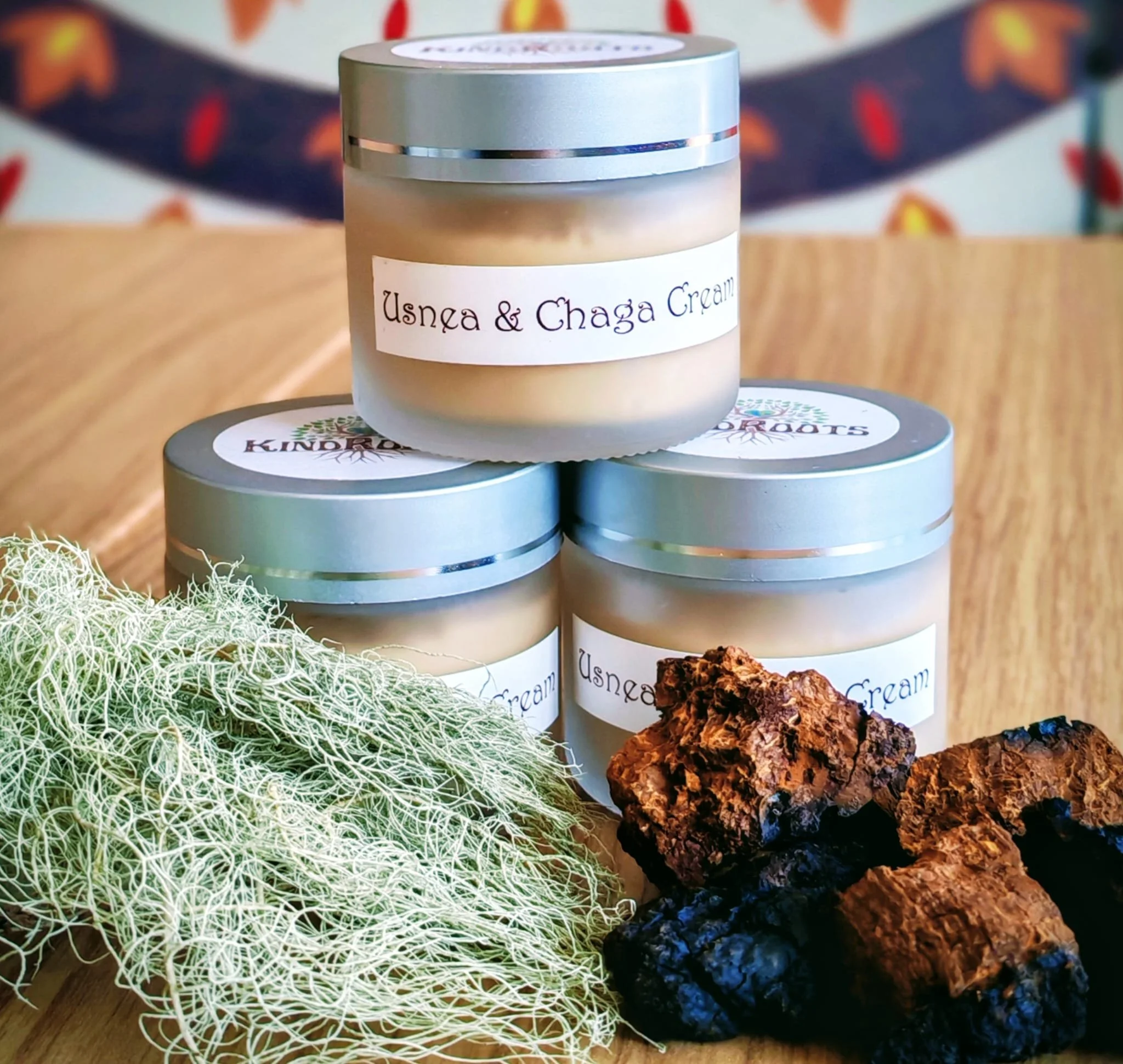
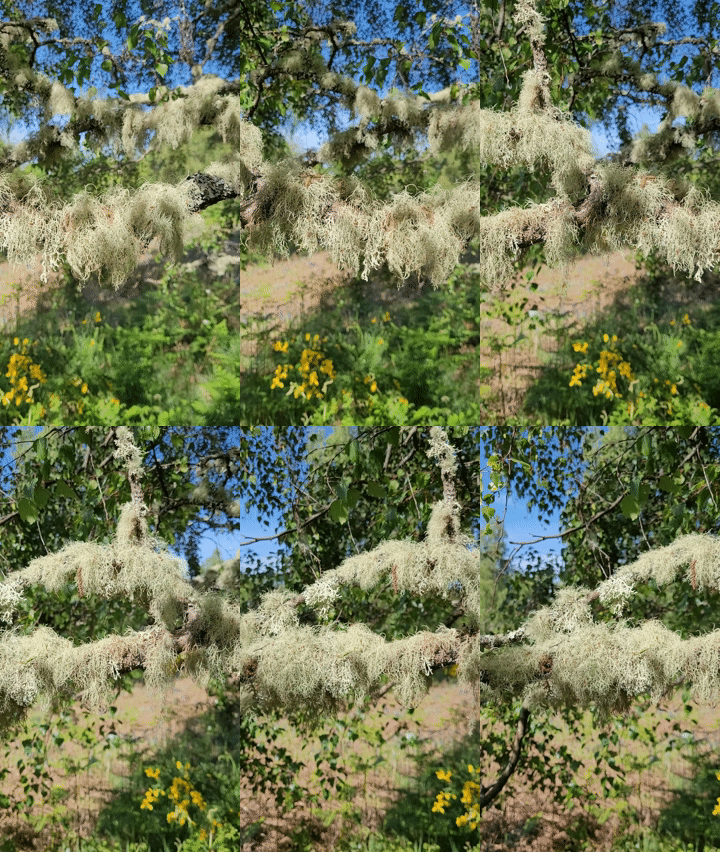
Often called Old Man’s Beard, Usnea barbata is a slow-growing lichen that hangs quietly from trees in clean, healthy woodland environments.
Neither plant nor fungus alone, Usnea is a living partnership - a symbiosis between algae and fungus - and its presence is often taken as a sign of good air quality and an intact ecosystem. It grows slowly, responding directly to its surroundings, drawing what it needs from rain, mist and atmosphere rather than soil.
Usnea has a long history of traditional use across Europe, North America and parts of Asia, where it was valued for its protective, cleansing and preserving qualities. Folk traditions often worked with it externally, or prepared it carefully for specific, practical purposes rather than everyday consumption.
Unlike fast-growing herbs, Usnea requires patience and familiarity. It is light, fibrous and deceptively resilient, with a distinctive elastic inner core that sets it apart from similar-looking lichens. Traditional preparations respected this structure, often extracting it slowly or using it fresh where appropriate.
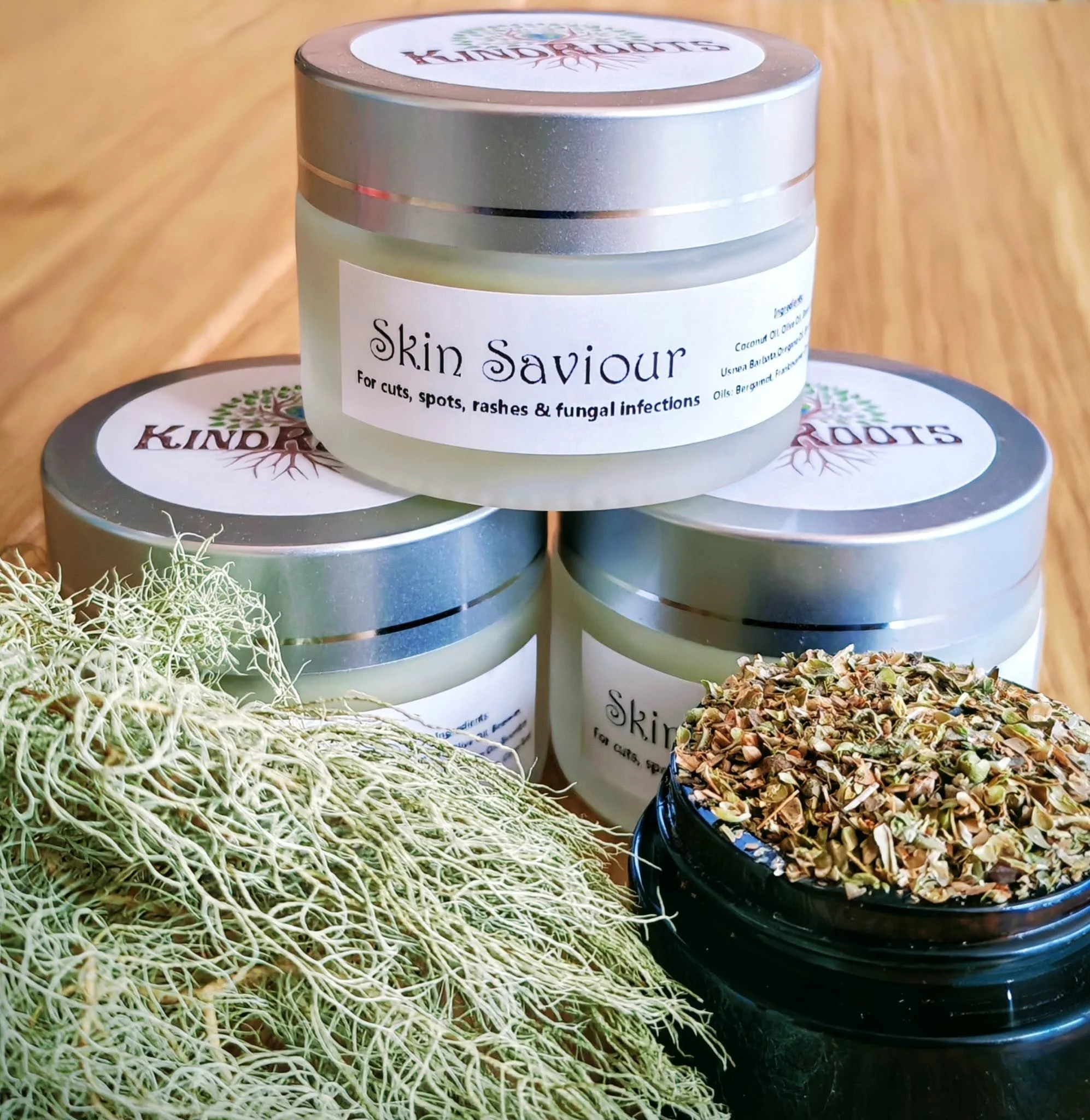
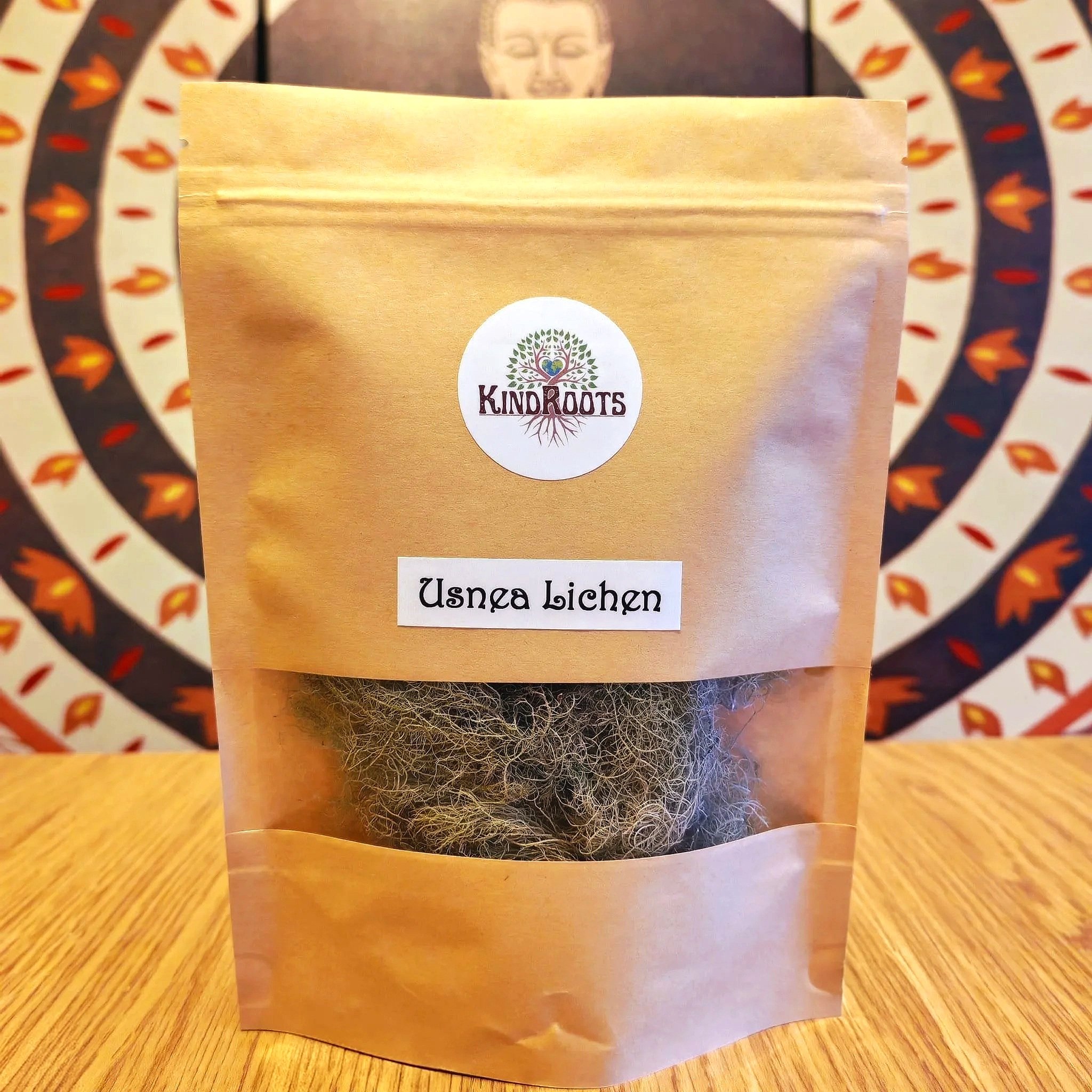
Our Usnea is wild foraged by hand from clean woodland environments, harvested sparingly and with care. Each piece is checked carefully, dried gently, and left whole, allowing you to work with it traditionally and intentionally, without rushing or over-processing.
This is Usnea in its simplest form - lightly handled, thoughtfully gathered, and closely tied to the landscapes it comes from.
Wild foraged Usnea (Usnea barbata)
Usnea has traditionally been prepared through slow extraction methods or used externally in crafted preparations. Because it is potent and distinctive in character, it has historically been worked with deliberately and with attention to method, rather than casually infused.
• Wild foraged from clean woodland environments
• Carefully identified and hand harvested
• Dried gently and left whole
• Traditionally valued for protective and practical use
• Best approached with care and intention
To explore Usnea in more depth — including identification, look-alikes, traditional use and modern research context — see our full Forager’s Guide to Usnea.
Often called Old Man’s Beard, Usnea barbata is a slow-growing lichen that hangs quietly from trees in clean, healthy woodland environments.
Neither plant nor fungus alone, Usnea is a living partnership - a symbiosis between algae and fungus - and its presence is often taken as a sign of good air quality and an intact ecosystem. It grows slowly, responding directly to its surroundings, drawing what it needs from rain, mist and atmosphere rather than soil.
Usnea has a long history of traditional use across Europe, North America and parts of Asia, where it was valued for its protective, cleansing and preserving qualities. Folk traditions often worked with it externally, or prepared it carefully for specific, practical purposes rather than everyday consumption.
Unlike fast-growing herbs, Usnea requires patience and familiarity. It is light, fibrous and deceptively resilient, with a distinctive elastic inner core that sets it apart from similar-looking lichens. Traditional preparations respected this structure, often extracting it slowly or using it fresh where appropriate.
Our Usnea is wild foraged by hand from clean woodland environments, harvested sparingly and with care. Each piece is checked carefully, dried gently, and left whole, allowing you to work with it traditionally and intentionally, without rushing or over-processing.
This is Usnea in its simplest form - lightly handled, thoughtfully gathered, and closely tied to the landscapes it comes from.
Wild foraged Usnea (Usnea barbata)
Usnea has traditionally been prepared through slow extraction methods or used externally in crafted preparations. Because it is potent and distinctive in character, it has historically been worked with deliberately and with attention to method, rather than casually infused.
• Wild foraged from clean woodland environments
• Carefully identified and hand harvested
• Dried gently and left whole
• Traditionally valued for protective and practical use
• Best approached with care and intention
To explore Usnea in more depth — including identification, look-alikes, traditional use and modern research context — see our full Forager’s Guide to Usnea.